Different Conveyor Duties Across a Cement Plant
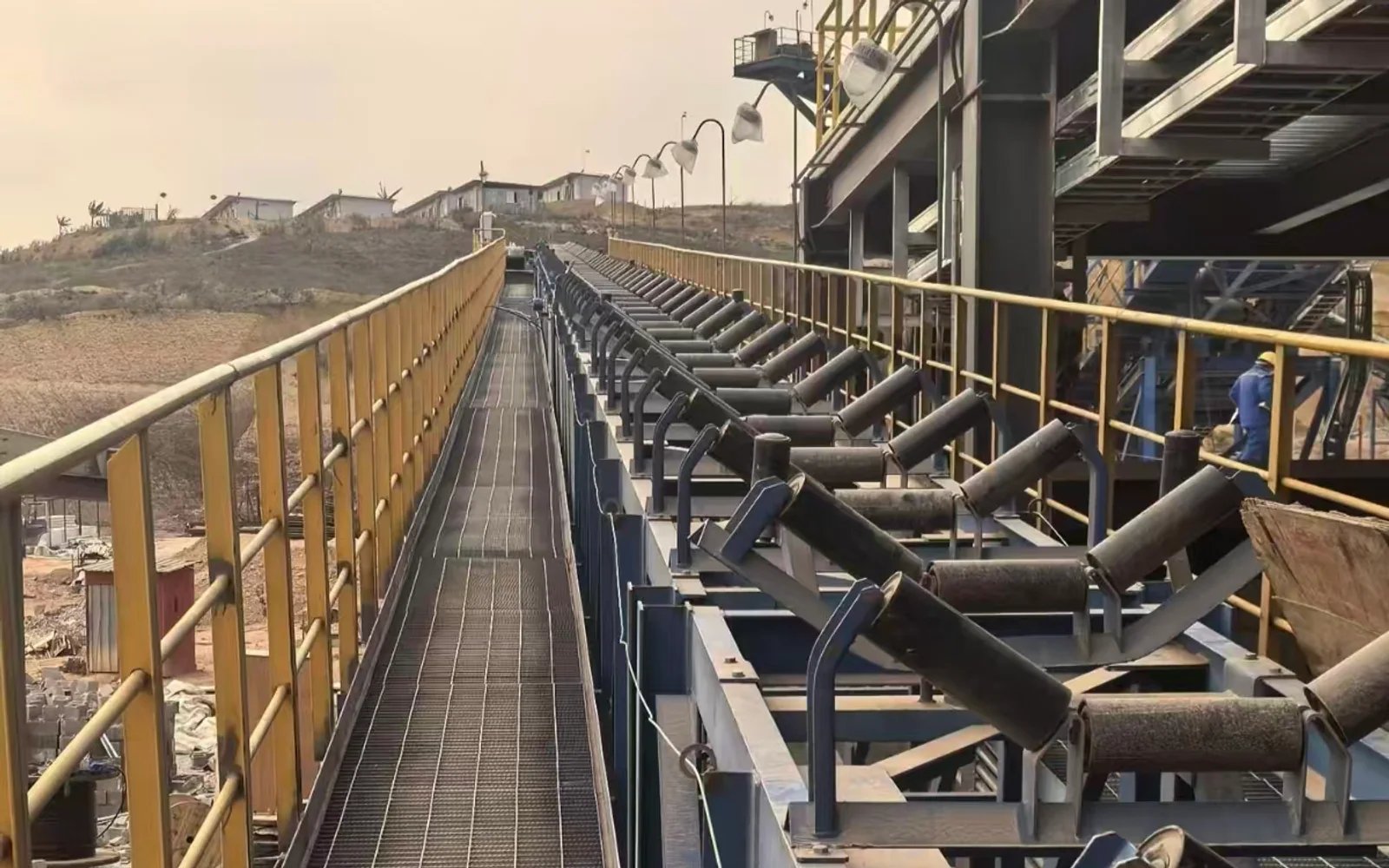
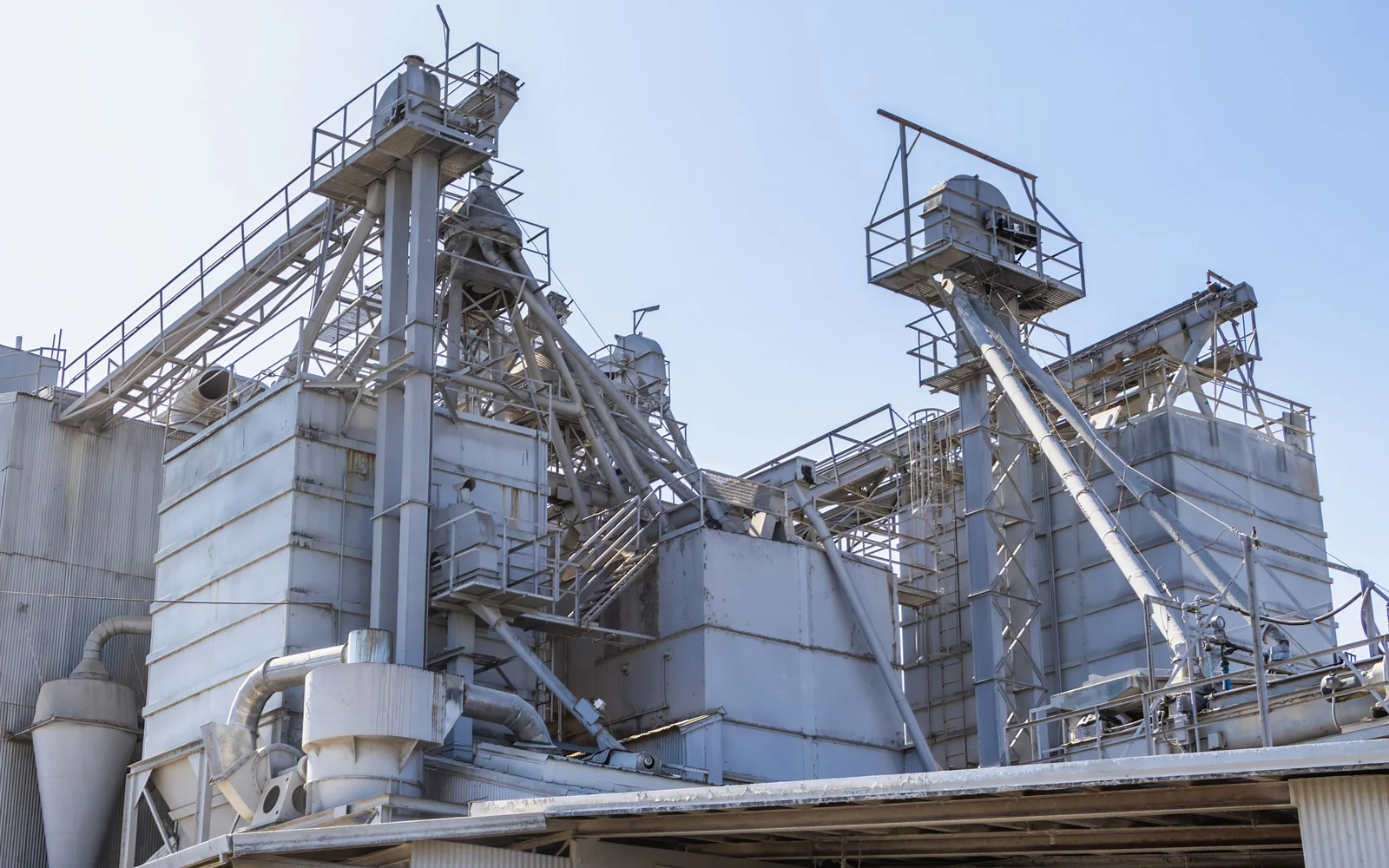
Raw limestone, additives, clinker and finished cement do not create the same conveyor duty. Material temperature, particle size, dust level and loading arrangement should be stated for each position. The same belt width may therefore require different idler, pulley, sealing and cleaning details at receiving, crushing, storage and process-transfer areas.
Dust, Clinker and Transfer-Point Wear
Fine dust can enter poorly protected bearings and accumulate around return rollers. Clinker and coarse raw material can increase abrasion, while elevated temperature may affect rollers, lagging and cleaner materials where it applies. At transfer points, drop height, material trajectory and belt sag influence impact loading, spillage and skirt contact. Carryback should be reviewed at the discharge pulley and along the return run rather than treated only as a housekeeping issue.
Component Information Needed for Replacement
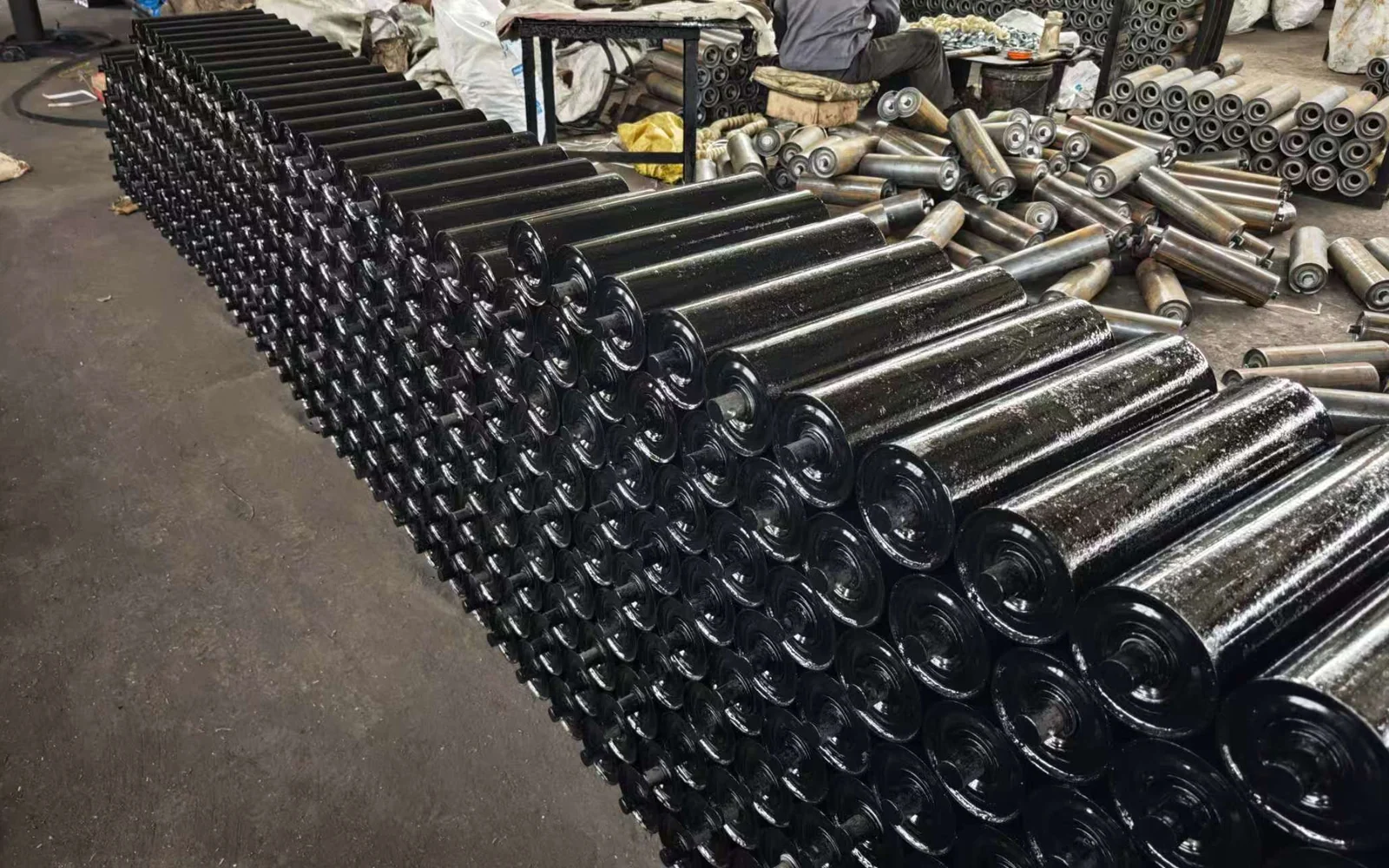
- Idlers: roller diameter and length, shaft ends, bearing, seal, trough angle and frame mounting.
- Pulleys: shell diameter, face width, shaft profile, bearing centres, hub arrangement and surface requirement.
- Cleaners: belt width and speed, pulley diameter, splice type, material condition and mounting space.
- Loading-zone parts: lump size, drop height, existing support spacing and chute geometry.
Dimensions should come from an approved drawing or a controlled site measurement. Photographs help identify the position but do not replace hidden shaft, bearing or mounting dimensions.
Preparing a Cement Conveyor RFQ
State the material at the specific conveyor position, its normal and maximum temperature, capacity, belt data, operating hours and indoor or outdoor exposure. For a replacement, include the existing part drawing, quantity and required fit interfaces. This separates a direct replacement enquiry from a request to review an altered duty.