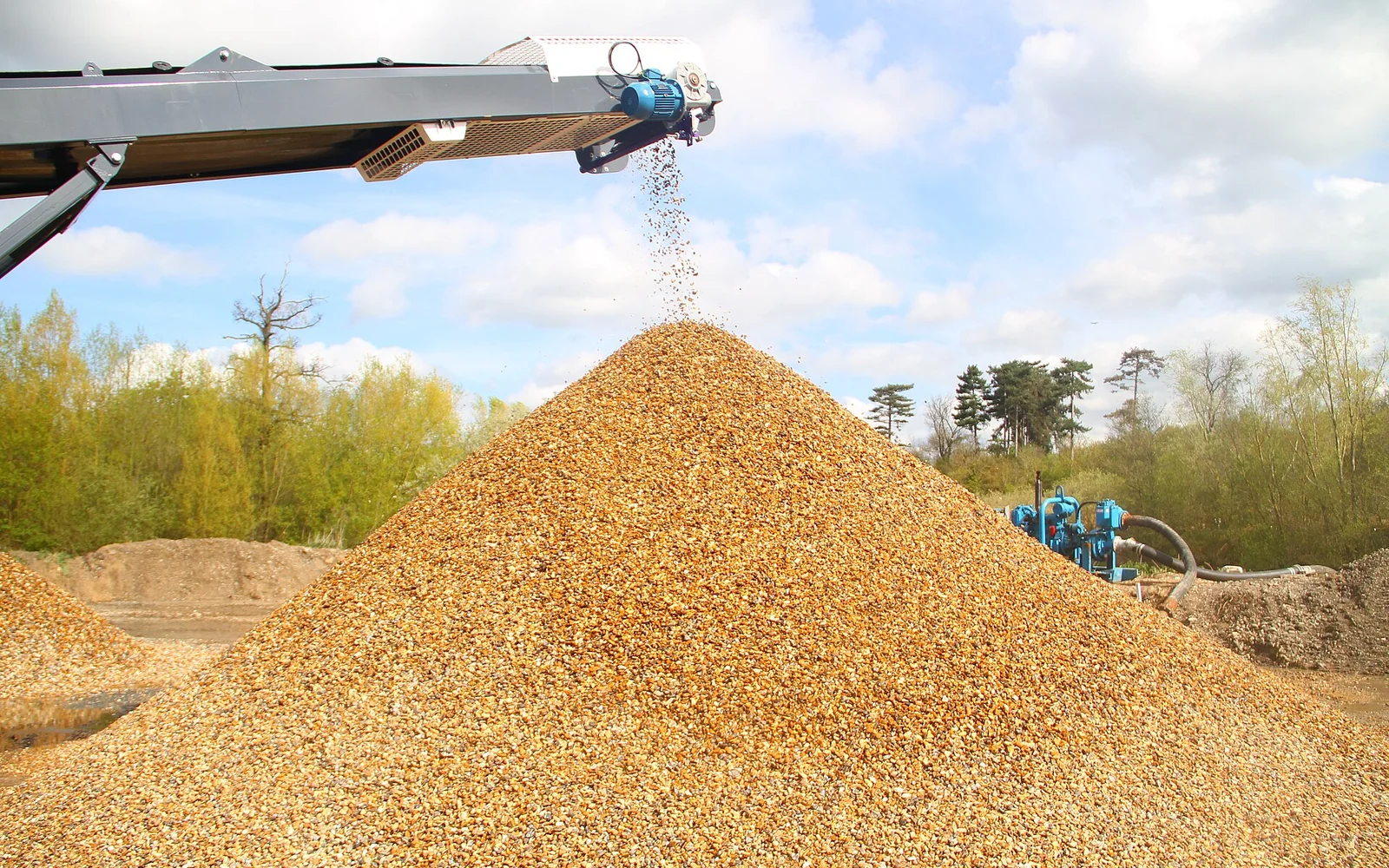
Conveyors Between Crushers, Screens and Stockpiles
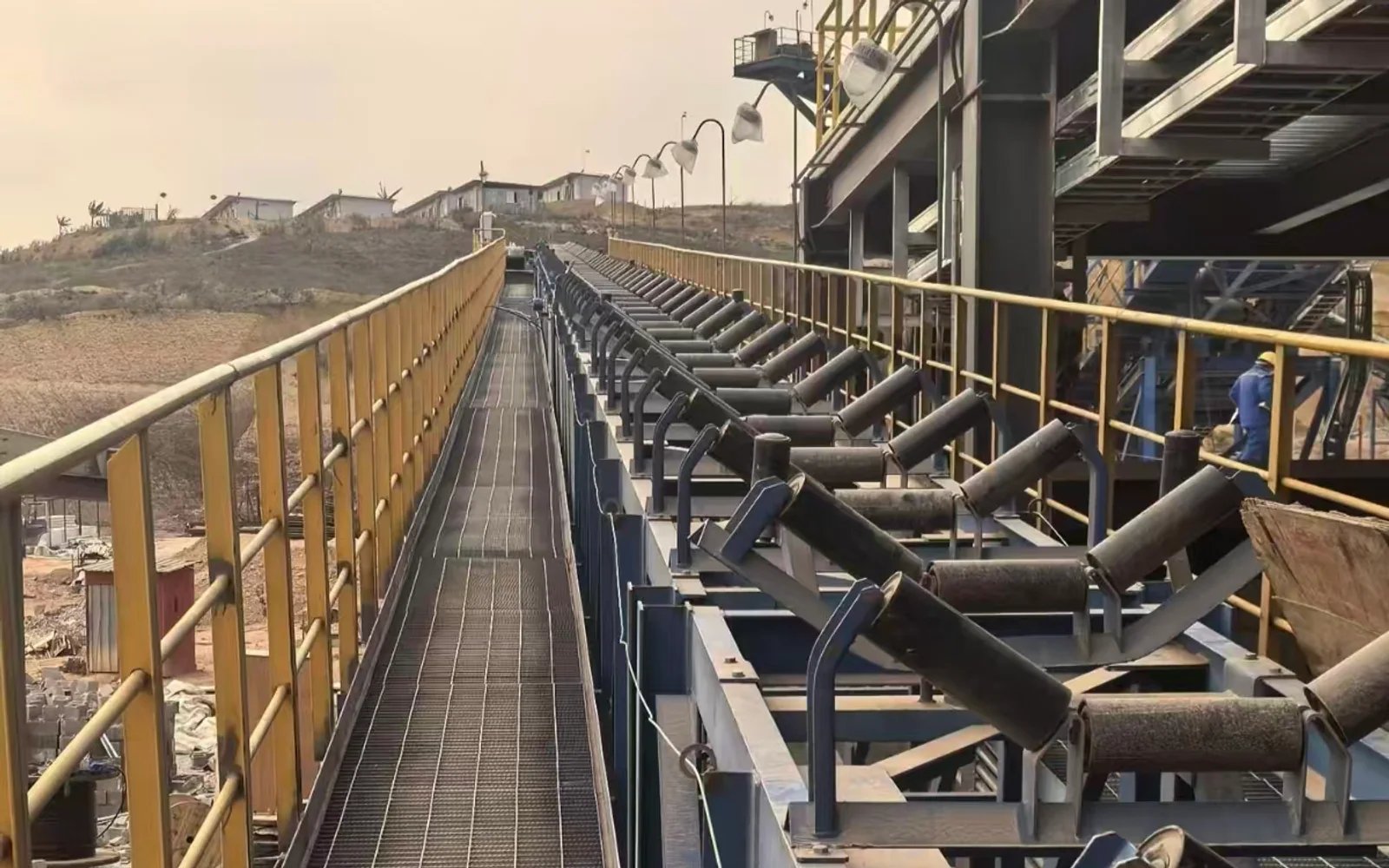
Aggregate plants use short transfer conveyors, inclined routes and stockpile conveyors around equipment that may operate in frequent start-stop cycles. Abrasive stone and changing lump size make the exact conveyor position important when specifying a replacement component.
Impact Duty Starts at the Discharge Point
Crusher discharge and chute transfer areas should be reviewed using maximum lump size, drop height, material trajectory, capacity and belt speed. Impact idlers may be suitable for defined loading positions, while normal carrying sections require support selected for belt load, spacing and frame arrangement. Belt sag and off-centre loading can also contribute to spillage and tracking changes downstream.
Maintenance Measurements for Quarry Replacements
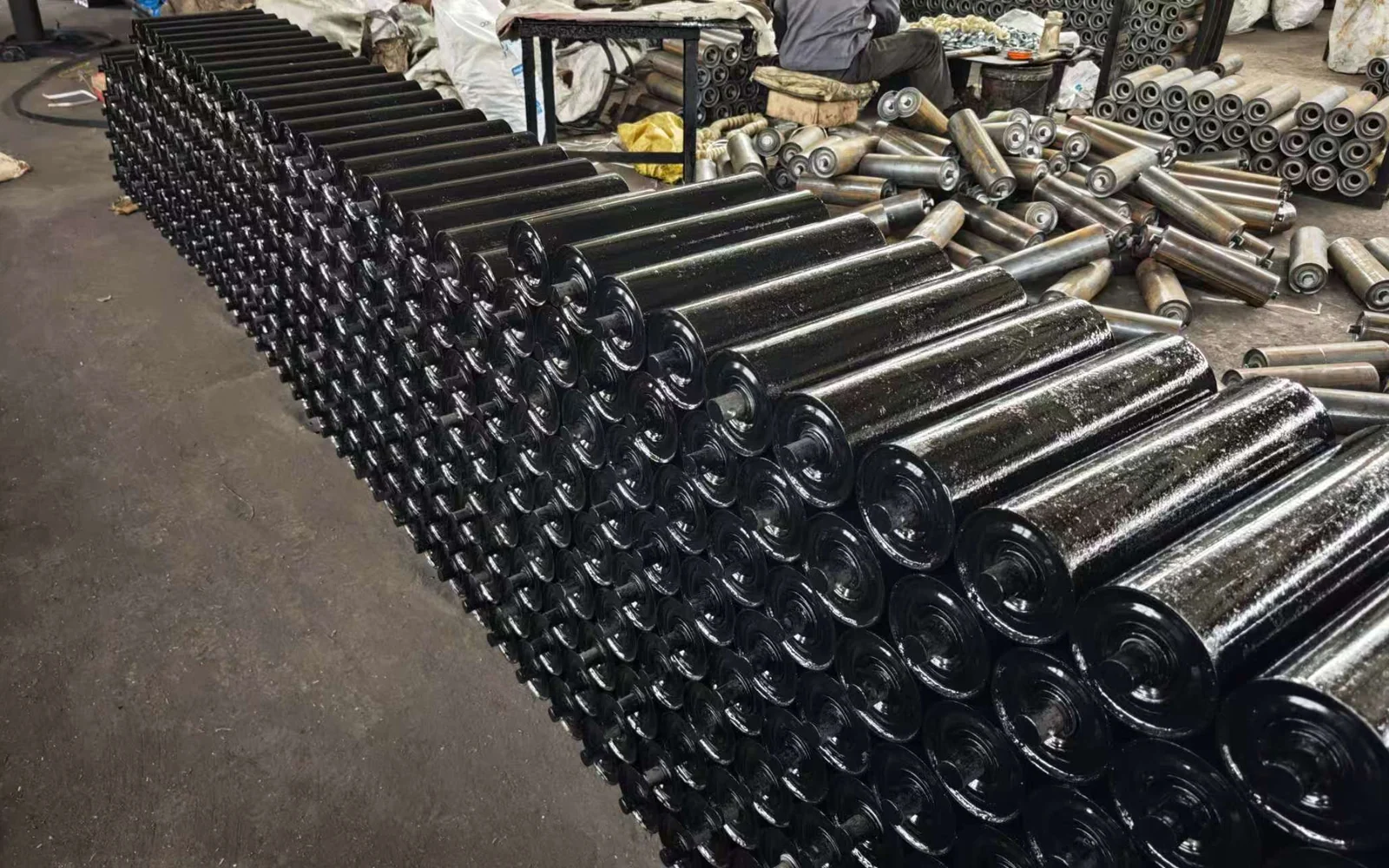
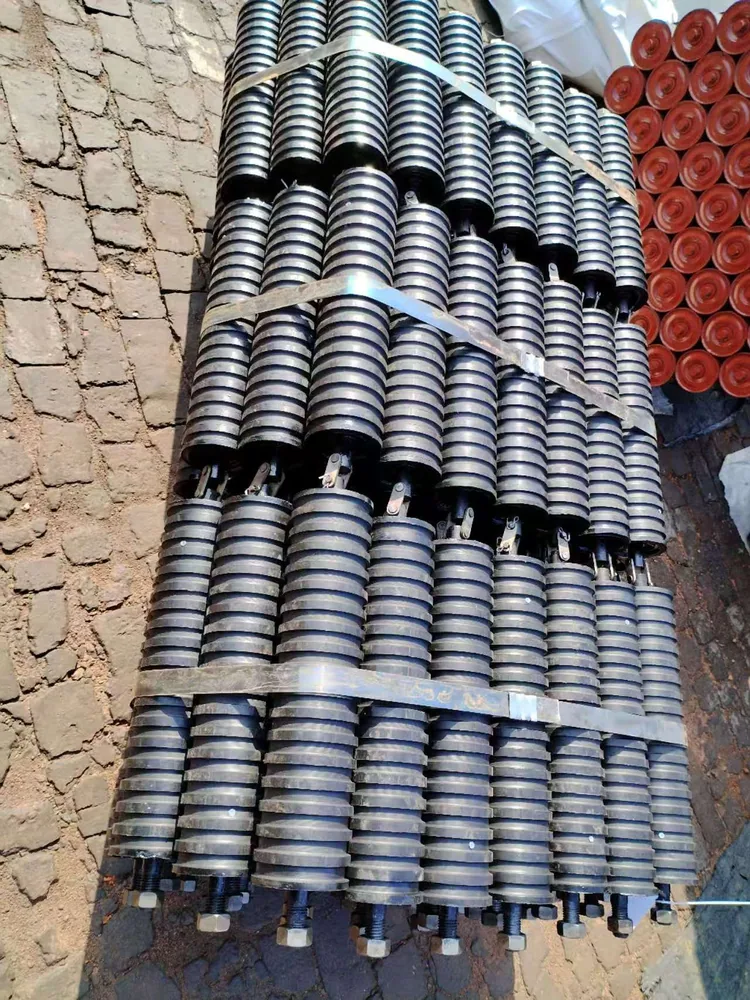
- Record roller diameter, roller length, shaft ends and frame mounting dimensions.
- For pulleys, measure the face, shell, shaft steps, bearing centres and hub arrangement.
- Identify the component position and belt direction on each photograph.
- Separate worn dimensions from the original design dimension where possible.
A sample component can help when markings and drawings are missing, but critical interfaces still need an agreed inspection record before manufacture.
Aggregate Conveyor RFQ Inputs
Provide the stone type, lump size range, capacity, belt width and speed, incline, loading-point details, operating hours and quantity. Note whether the request is a direct replacement, a change to the existing duty or part of a new conveyor scope.