On This Page
Introduction
Mining projects expose conveying components to combinations of load, abrasion, impact, contamination and long operating hours. A component that fits dimensionally may still be unsuitable if its seals, shell, bearings, surface or supporting structure were selected for lighter duty. Buyers therefore need a mining conveyor components supplier that asks about the application before confirming the product.
Junxin reviews component enquiries by position and operating condition. We separate the loading zone, carry strand, return strand, drive area, take-up and discharge because each location creates different risks. This guide explains the technical information that overseas buyers should use when selecting idlers, pulleys, cleaning and tracking parts, and fabricated supports for bulk-material handling projects. It also shows how to compare suppliers and define inspection without relying on broad claims.
Junxin Manufacturing Perspective
Mining-duty components should be reviewed by conveyor position. Junxin considers loading impact, contamination, operating hours, access and replacement interfaces together; increasing thickness alone does not resolve sealing, alignment or maintainability risks.
Real Manufacturing Challenges
Mining components are often large, numerous or both. An idler order can contain several roller lengths, frame types and trough angles, while pulleys may share an outside diameter but use different shafts, hubs and lagging. If item numbers and drawings are not controlled, visually similar parts can be mixed during production or packing. A mine shutdown leaves little room to discover that a shaft end or mounting pattern is wrong.
Abrasive material increases wear, but simply adding steel thickness is not always a complete answer. Increased rotating mass can affect startup and bearing behavior. Impact areas need an arrangement that manages lump energy while preserving belt support. Wet fines can enter poor sealing arrangements and accumulate around return equipment. Misalignment may indicate a loading or structural issue that a tracking component alone cannot correct.
Manufacturing also has to control distortion and alignment. Welded frames require stable mounting geometry. Pulley shells, hubs and shafts must retain their relationship through welding and machining. Long fabricated pieces must be divided for transport without losing site reference. These are practical reasons to define the duty, interfaces and inspection points before an order is released.
Technical Explanation
Component selection should start with an operating-data sheet. Record material type, bulk density, capacity, belt width and speed, maximum lump size, drop height, duty hours, ambient conditions and presence of water or corrosive agents. Then connect each component to its position. A return roller sees a different contamination pattern from a carrying roller. A drive pulley has different torque and tension requirements from a low-tension bend pulley.
Next define the mechanical interfaces. For rollers this includes length, diameter, shaft ends and frame seating. For frames it includes mounting centers, trough angle and elevation. For pulleys it includes face, shell, shaft, bearing centers, connections and installed clearance. Cleaners and tracking devices require pulley or belt geometry, working direction, mounting space and maintenance access.
Finally define expected verification. Dimensions that control fit, rotating checks, weld criteria, coating and identification should be tied to the order documents. This chain—from duty, to product definition, to verification—helps a bulk material handling conveyor supplier manufacture what the project actually requires.
Idlers for Carry, Return and Impact Positions
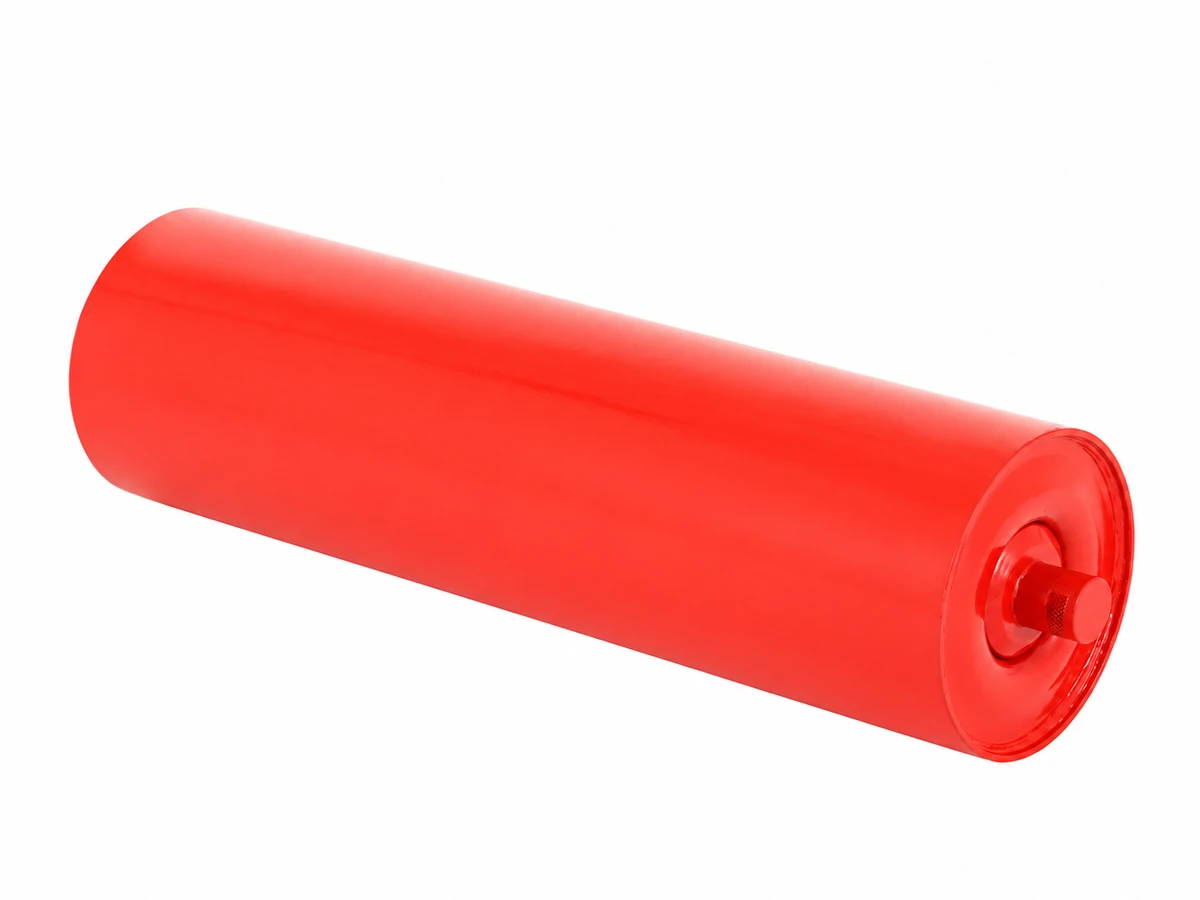
Idler selection should distinguish carrying, transition, impact, return and training positions. For each type, state roller diameter and face length, shaft detail, bearing and seal arrangement, trough angle, spacing and expected load. Loading-zone rollers may use impact rings, but the material lump size, drop height and loading distribution are needed to evaluate the arrangement. Return rollers may need attention to carryback accumulation and cleaning access.
Rotation resistance and sealing are manufacturing and service considerations, especially where many rollers operate continuously. Tube straightness, bearing-seat concentricity, shaft machining and assembly affect rotation. The correct sealing approach depends on dust, moisture and washdown exposure. Buyers reviewing mining conveyor idlers should provide the existing frame dimensions rather than treating nominal belt width as the only selection value.
For replacement campaigns, identify how rollers are removed. Restricted access can make an otherwise correct component difficult to maintain. It is also useful to specify permanent item marking so different roller groups can be separated after delivery.
Pulley Duty and Interface Selection

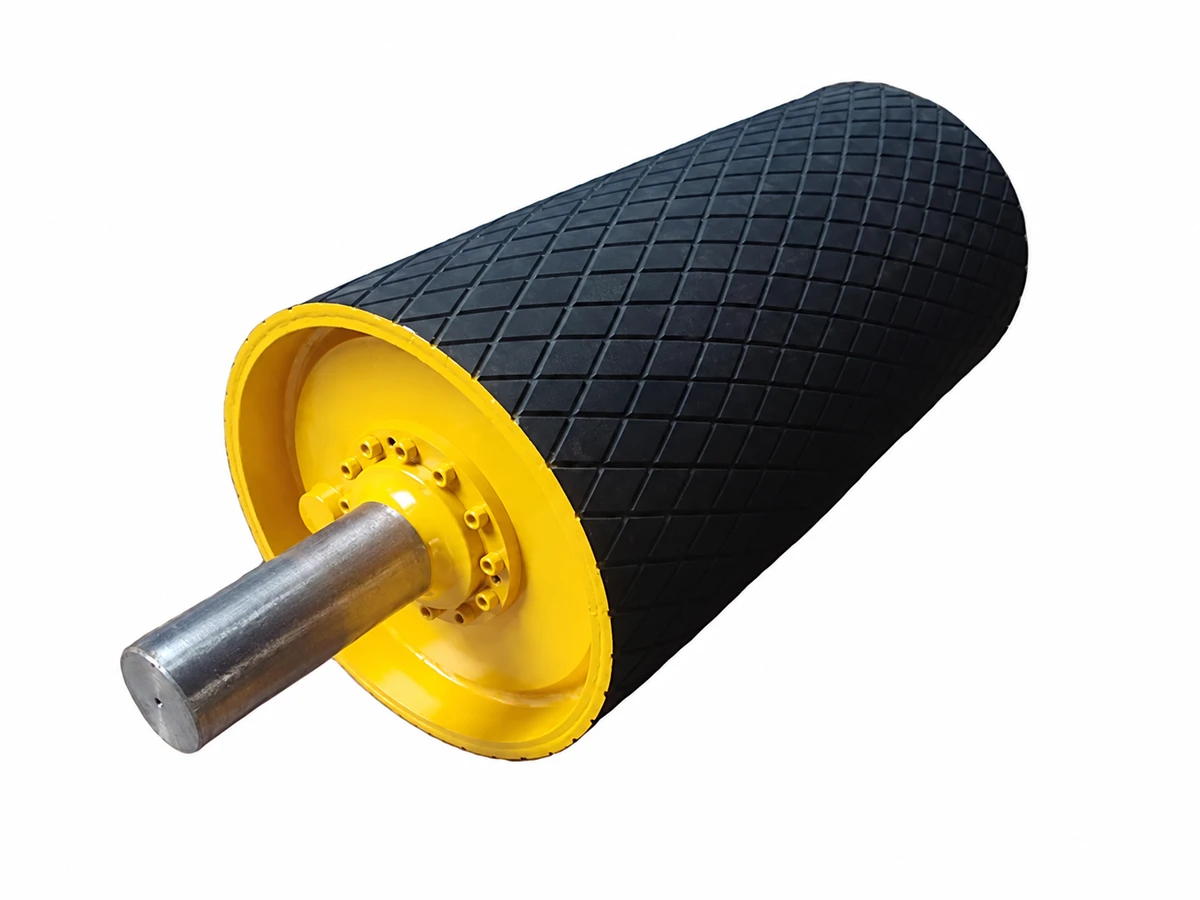
Pulleys require position-specific data. Provide whether the item is a drive, tail, bend, snub or take-up pulley, along with belt tensions, drive torque where applicable, speed, wrap and connection arrangement. The drawing should identify shell diameter and thickness, face width, shaft material and geometry, bearing seats and centers, hubs, locking devices and lagging.
Lagging should be selected for the actual function and environment, not by color or a general description. State the material, pattern, thickness, hardness or other project requirement. For replacement pulleys, confirm whether bearings and housings are included and whether their center height and bolt pattern must match existing supports.
Our conveyor pulley range provides a starting point, but a quotation is based on the confirmed drawing and duty. If design review is requested, operating loads and allowable interfaces must be supplied. Heavy assemblies also need lifting, preservation and shipping arrangements considered before manufacture is complete.
Wear, Cleaning and Tracking Components
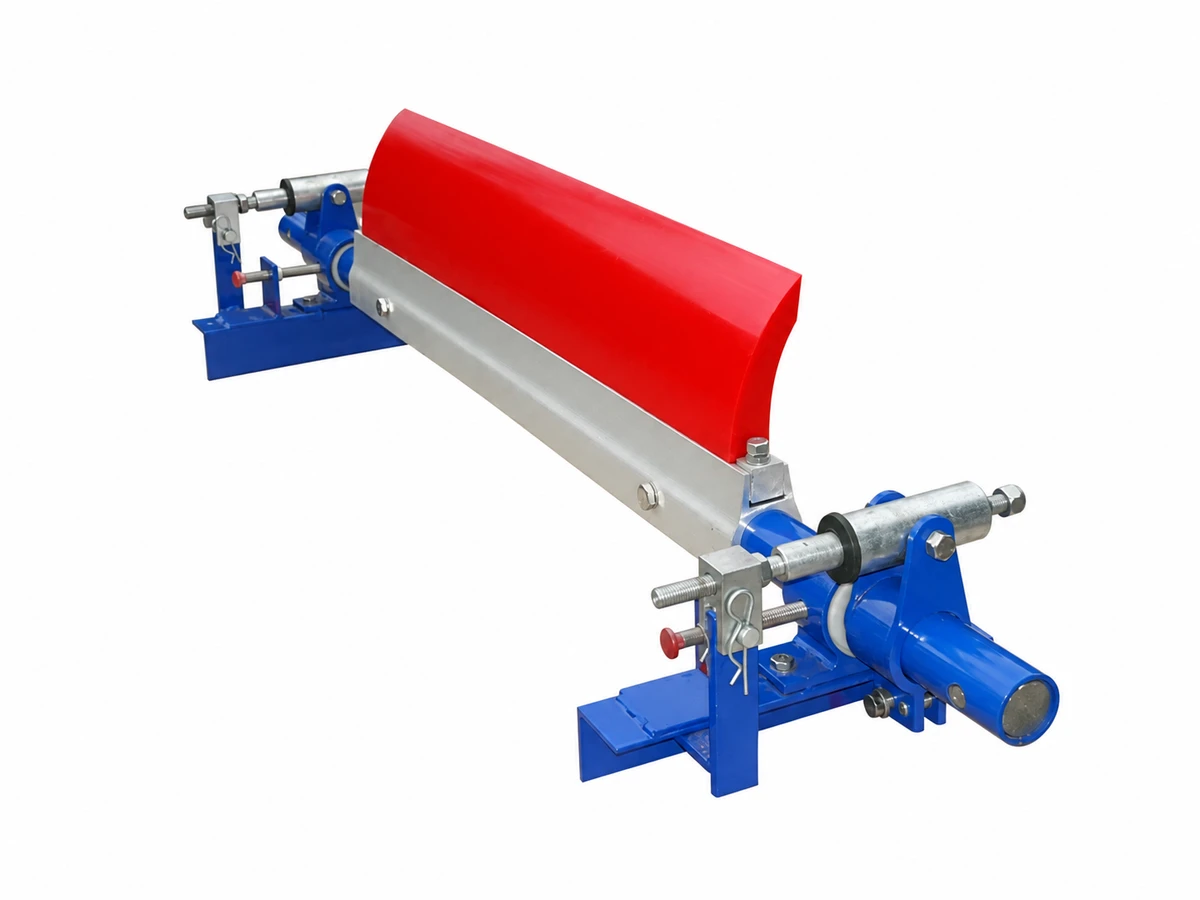
Carryback and mistracking should be described as operating conditions rather than only product requests. A cleaner enquiry should include pulley diameter, belt speed and direction, splice type, material moisture, available mounting envelope and preferred tensioning or blade arrangement. A tracking assembly needs belt and structure width, direction, location and clearances. It should not be used to conceal an uncorrected loading or alignment problem.
Impact beds, skirts, liners and guards require installation dimensions and maintenance access. Replaceable wear elements should be removable with tools available on site. When a project combines these items, buyers can review supporting conveyor components and then send a position-by-position schedule. This makes it easier to separate standard parts from site-specific fabrication.
Fabricated Parts and Project Interfaces

Mining projects frequently require custom idler frames, pulley bases, guards, chute supports and transition pieces. CNC-cut profiles can establish repeatable shapes, but the approved drawing must still identify material grade, thickness, datum, hole size and final interface. Subsequent bending and welding can change geometry, so manufacturing checks continue after cutting.
For multi-piece structures, define shop assembly and site assembly boundaries. Match marks, bolt grades, field-weld details and included loose items should appear on the drawing and packing list. Galvanized or painted assemblies require surface and venting details suited to the chosen process. If site tolerances are uncertain, slotted holes or adjustment features should be an intentional design decision, not an unrecorded workshop change.
Buyer Considerations
A supplier comparison should cover technical response, manufacturing route, deviation handling, inspection scope, delivery and total supplied content. Ask bidders to list assumptions. Confirm whether prices include frames, bearings, housings, fasteners, lagging, coating, labels and export packing. For spares, verify the unit of measure: one roller, one frame, one complete set or one assembly.
Project schedules should include drawing review and inspection, not only production days. If third-party witnessing is required, identify the notification period. If the order will be called off in batches, agree how revisions and quantities will be controlled. Mixed shipments should use item numbers that match the buyer’s material list and site storage labels.
Consider serviceability before ordering. A heavier or thicker component may create lifting and access problems. Bearings, blades and wear parts should have a clear replacement route. Standardizing selected interfaces across a project can simplify future spare holdings, but only where the duty allows it.
Quality Control
For mining components, quality control should follow the risk of each item. Incoming materials are checked against the purchase requirements. Machined dimensions and fits are measured at the appropriate operation. Fabricated frames are checked for mounting geometry and orientation after welding. Pulley assemblies are checked for the specified shaft, face and rotating characteristics. Idlers are checked for dimensions, assembly condition and rotation requirements defined in the order.
Weld visual inspection is a normal manufacturing check; any additional nondestructive examination requires an agreed method, coverage and acceptance criterion. Coating inspection should refer to the specified system and may include dry-film measurements when required. Finished components are checked for identification, preservation and packing so they remain traceable through a mixed project shipment.
The buyer should list required documents in the RFQ. Approved drawings, dimensional reports, material records, inspection photographs and coating results are possible examples, depending on the order. Records must be planned at the stage when the evidence is created.
How to Prepare the Project Enquiry
Send an equipment schedule with unique item numbers, quantities and installation positions. Attach drawings and the applicable technical specification. Include operating data, materials, surface treatment, inspection plan, documentation list, delivery destination and required date. Highlight any interface based on site measurement and identify dimensions that remain open.
For replacement work, add clear photographs, nameplate or marking information and measurements from the mating structure. For new projects, identify who is responsible for design verification and drawing approval. Junxin can then respond to the defined scope, issue clarification points and prepare a quotation that procurement can compare on a consistent basis.
Frequently Asked Questions
Which application data is most important for mining idlers?
Provide belt width and speed, material and bulk density, capacity, lump size, loading or return position, spacing, environment, operating hours and the exact frame and shaft interfaces.
Can a pulley be quoted from diameter and face width only?
Those dimensions are not normally sufficient for a reliable quotation. Position, tensions or loads, torque where applicable, shaft and bearing interfaces, hubs, lagging and connection details are also needed.
How should mixed mining spare parts be identified?
Use unique item numbers tied to approved drawings, permanent part marks where required, and package labels that match the packing list and site position.
Does Junxin provide inspection documents for project orders?
The required package is agreed before production and can include approved drawings, dimensional results, inspection photographs and specified material, weld or coating records.