
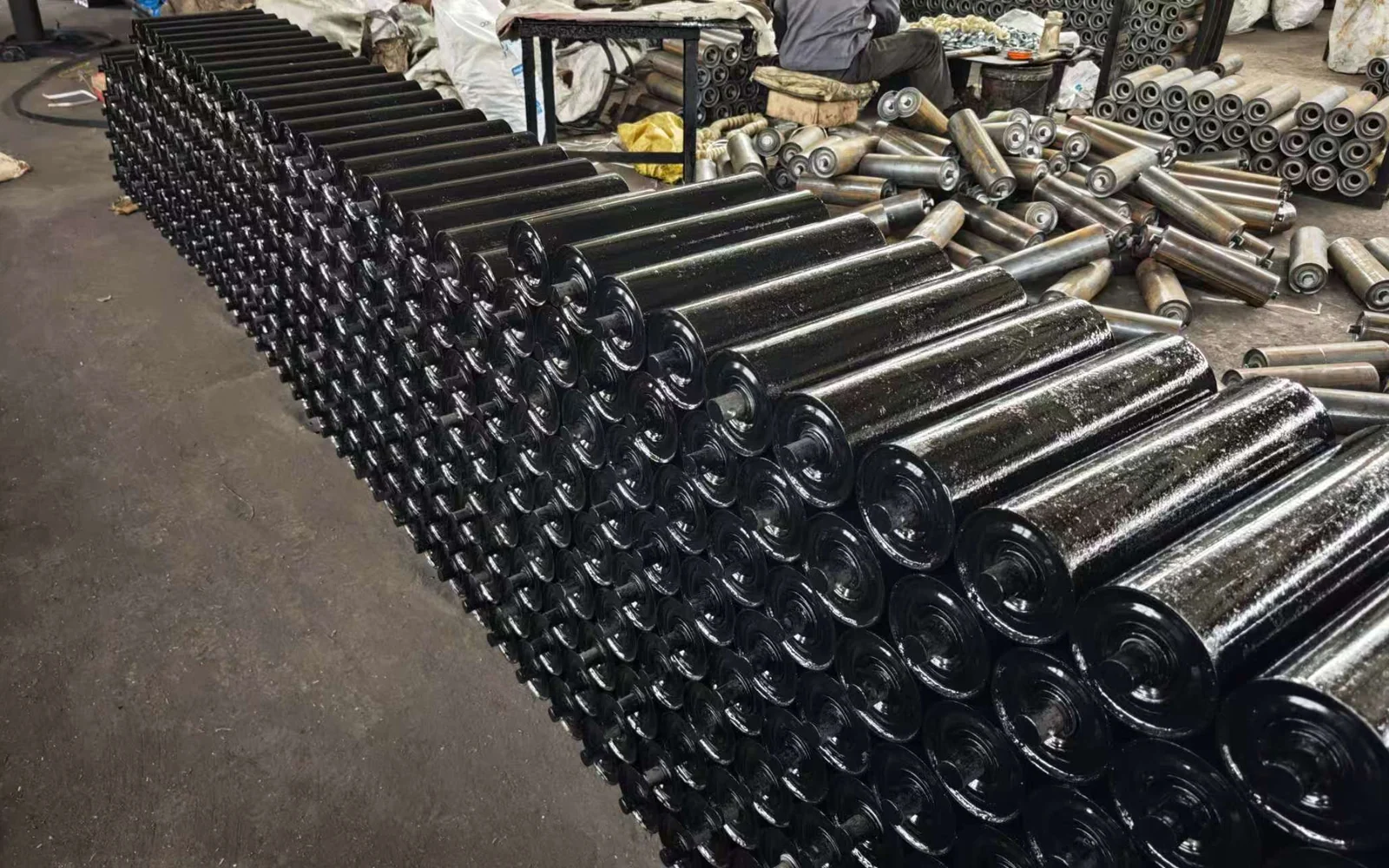
Standard Conveyor Idler
DTII(A) conveyor idlers manufactured in multiple diameters, lengths and bearing arrangements for new and replacement conveyors.
View ProductConveyor idlers and rollers for carrying, return and loading positions. Selection is based on belt width, roller dimensions, bearing configuration and operating duty.
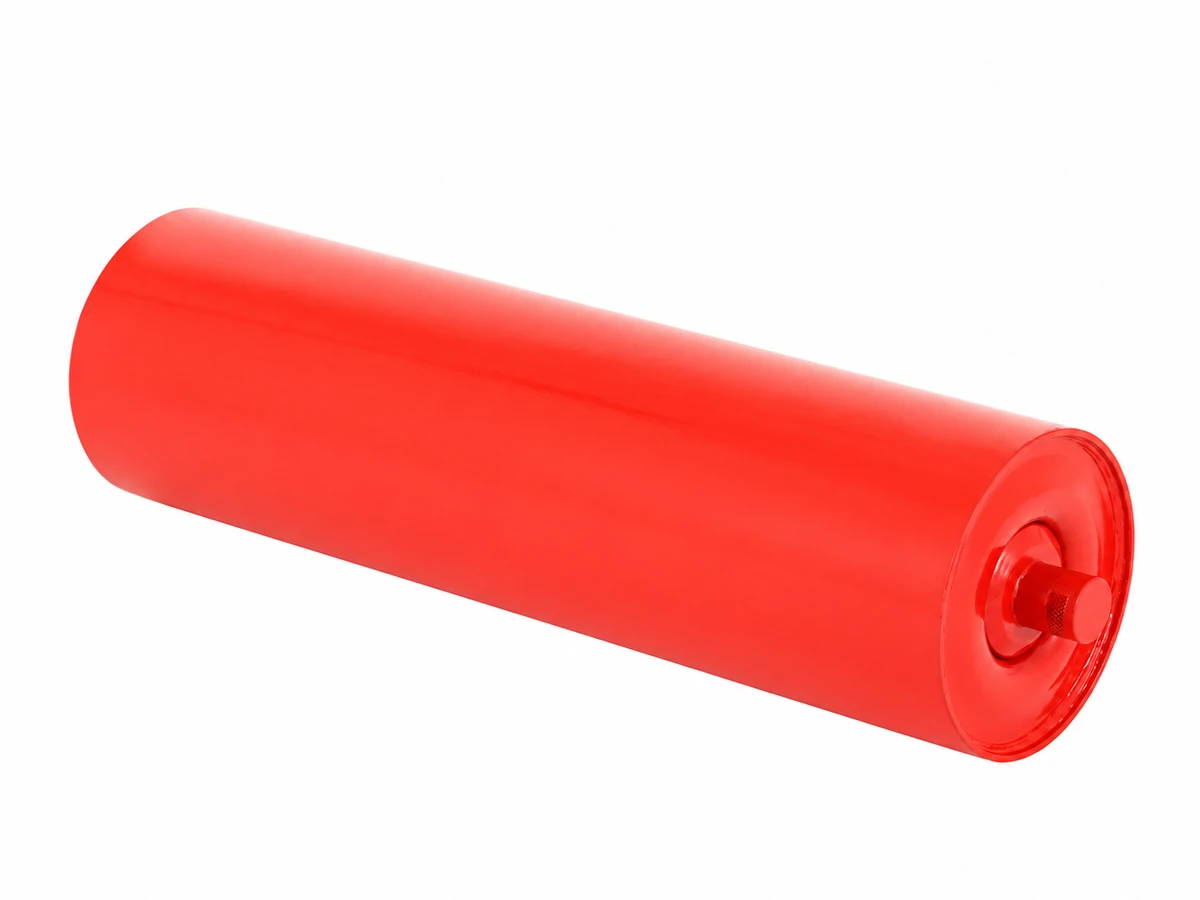
Product types available for conveyor system, replacement and component requirements.
DTII(A) conveyor idlers manufactured in multiple diameters, lengths and bearing arrangements for new and replacement conveyors.
View Product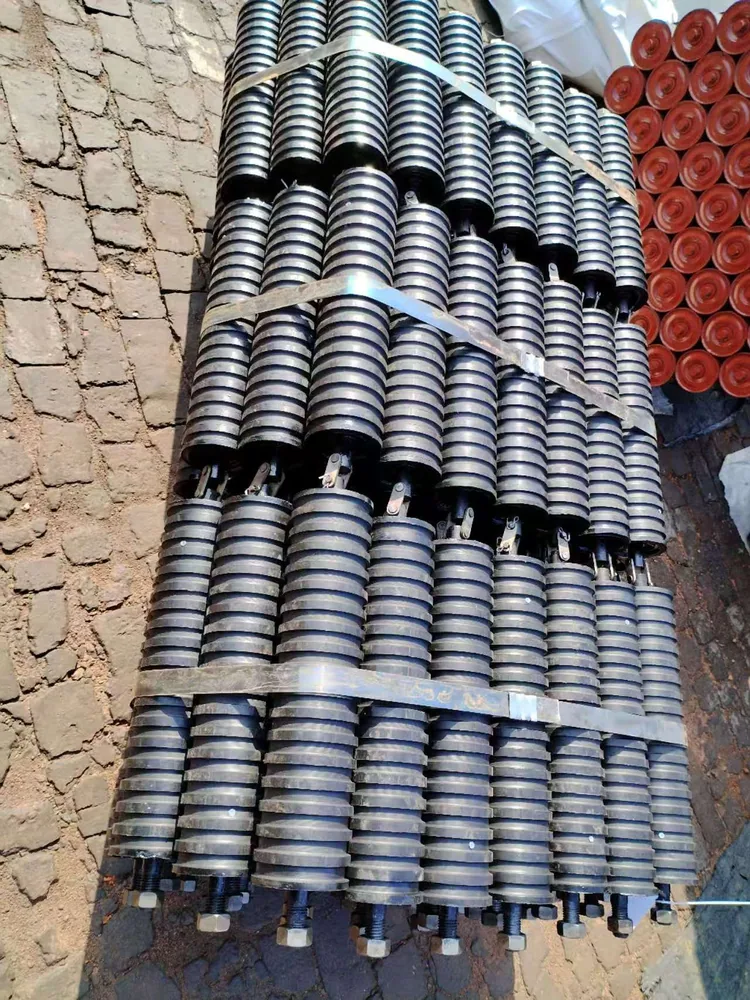
DTII(A) impact idlers manufactured for conveyor loading and transfer zones in multiple roller sizes and mounting configurations.
View Product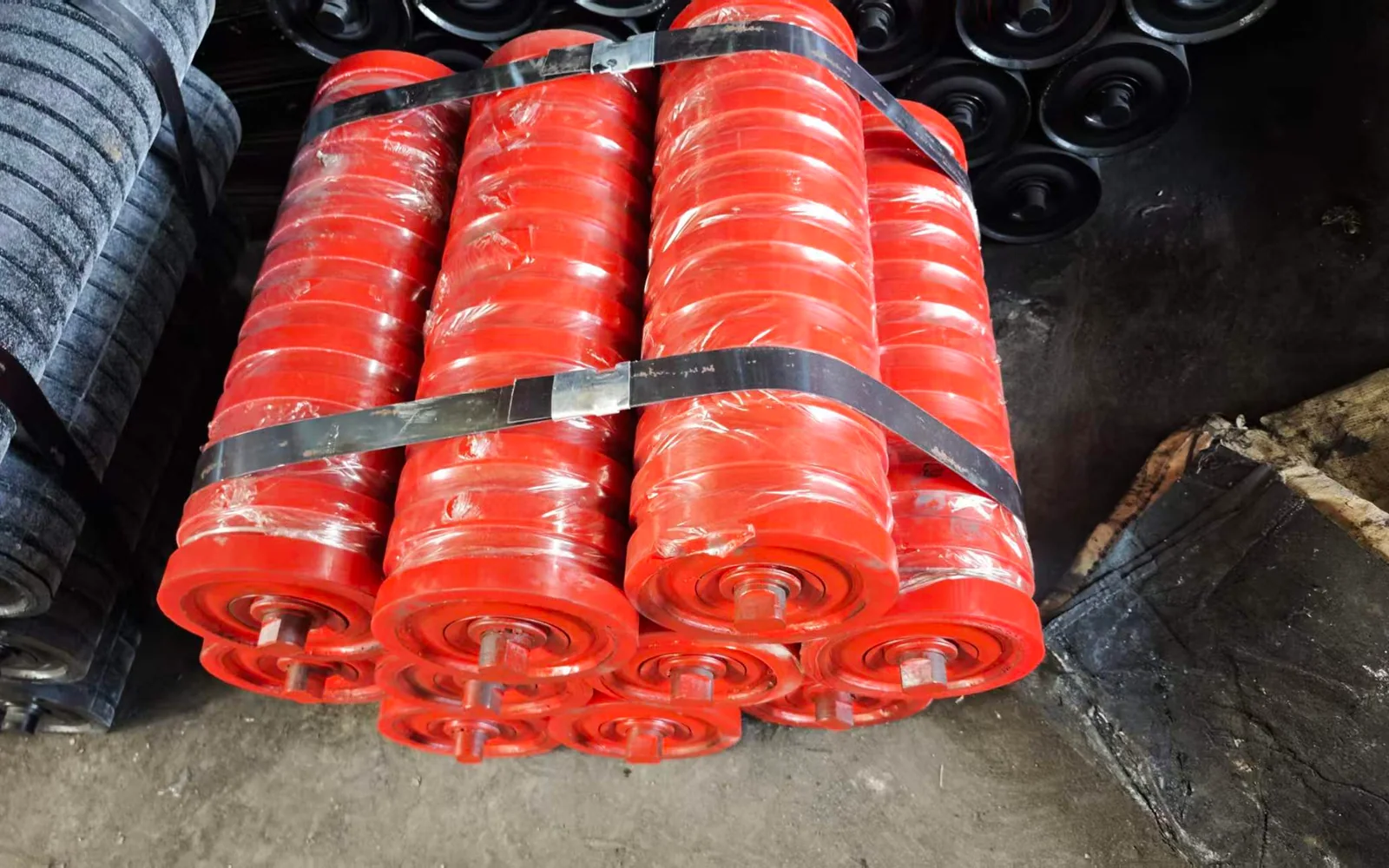
Polyurethane conveyor idlers manufactured to the required roller dimensions, shaft ends and conveyor operating conditions.
View Product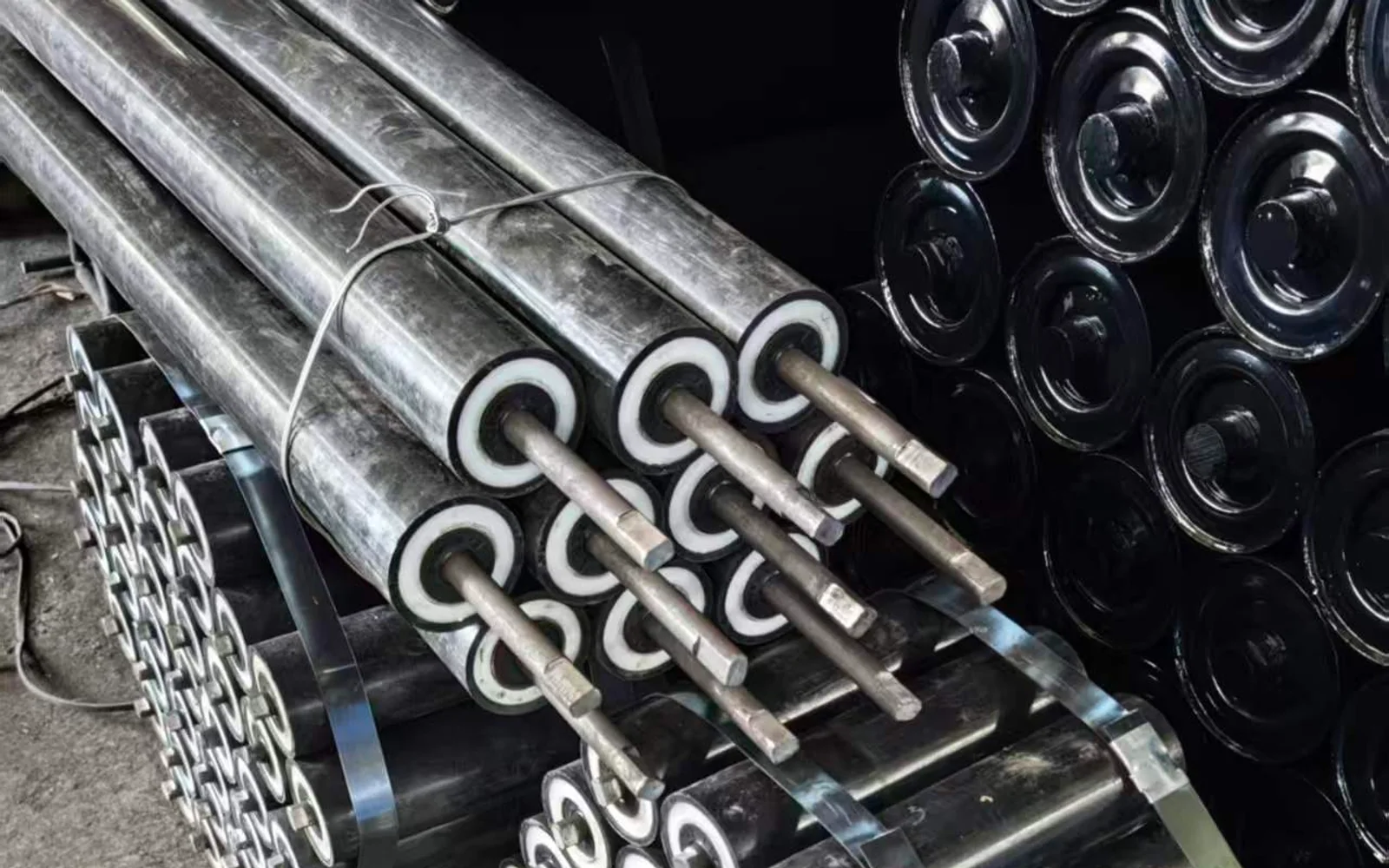
UHMWPE conveyor idlers manufactured for low-mass, moisture-resistant and corrosion-conscious conveyor applications.
View ProductConfirm the roller geometry, shaft interface and service conditions before selecting new or replacement idlers.
Provide the available belt, idler and operating data so the required geometry and duty can be reviewed.
Provide the conveyor belt width.
Confirm carrying idler, return idler, impact idler, training idler or another required configuration.
Provide the required roller diameter and installed dimensions where available.
Provide shaft diameter, shaft-end structure or installation drawings if replacing existing idlers.
Confirm the required trough angle for carrying idler sets.
Provide belt speed, load, material type, dust level, moisture and operating environment.
Industries selected for the equipment and replacement duties represented in this category.
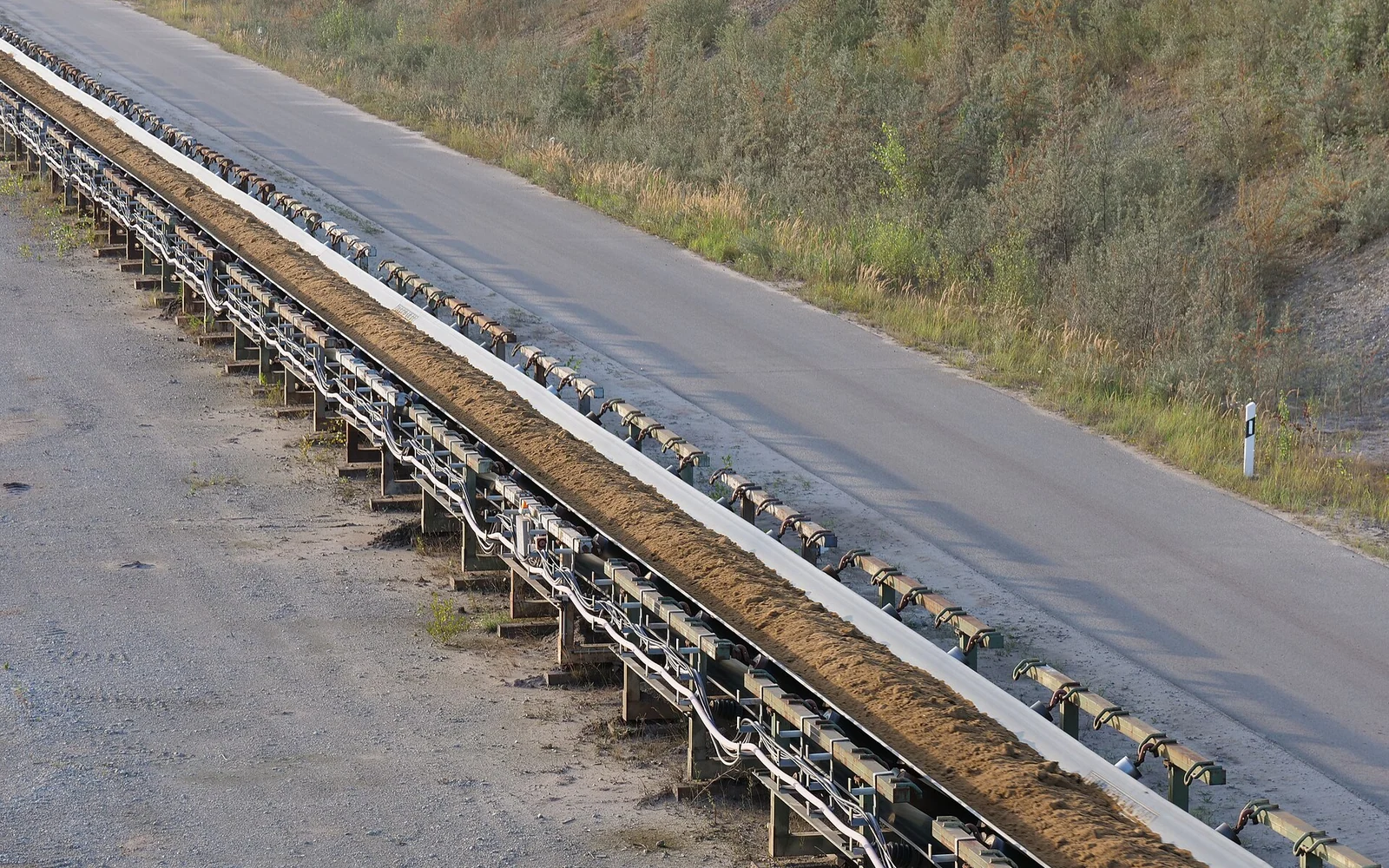
Conveyor equipment and replacement components for abrasive mining duty, impact loading and long operating hours.
View Industry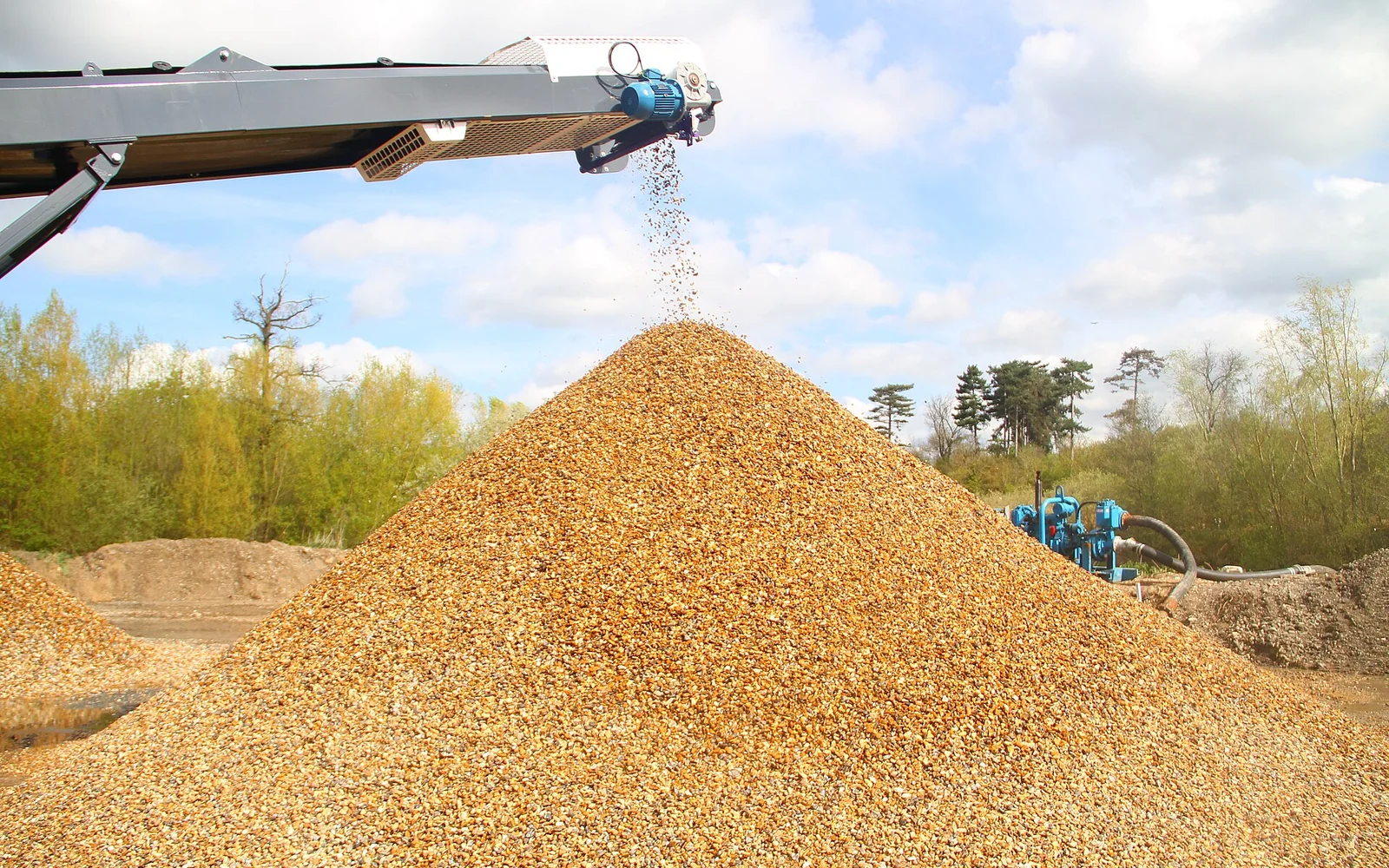
Idlers and replacement conveyor components for crushing, screening, transfer and stockpile routes.
View Industry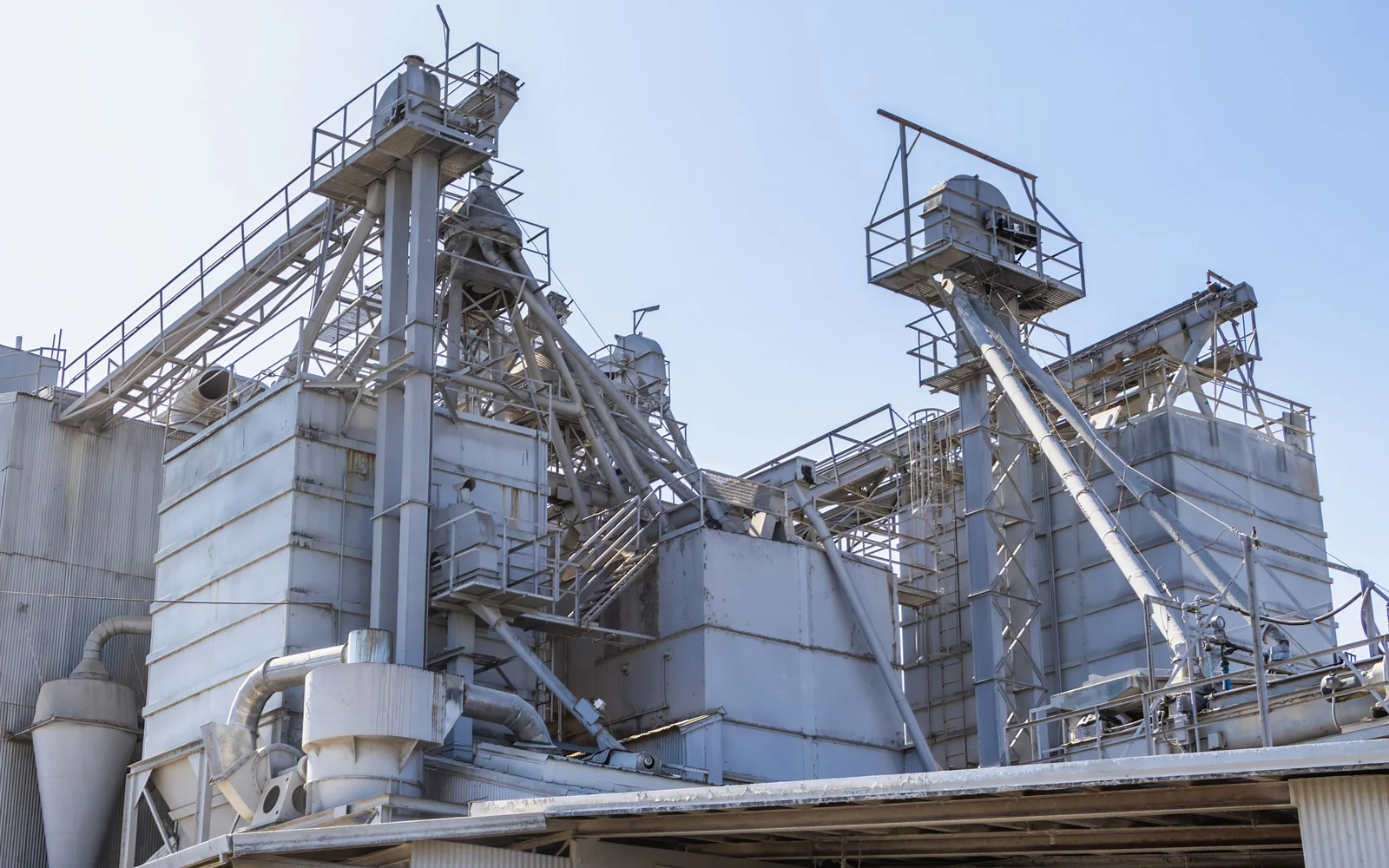
Conveyor components for raw material, clinker and finished-cement handling duties.
View Industry
Conveyor systems and components for coal receiving, stockpile, reclaim and transfer duties.
View IndustryCompleted supply records connected to products in this category.
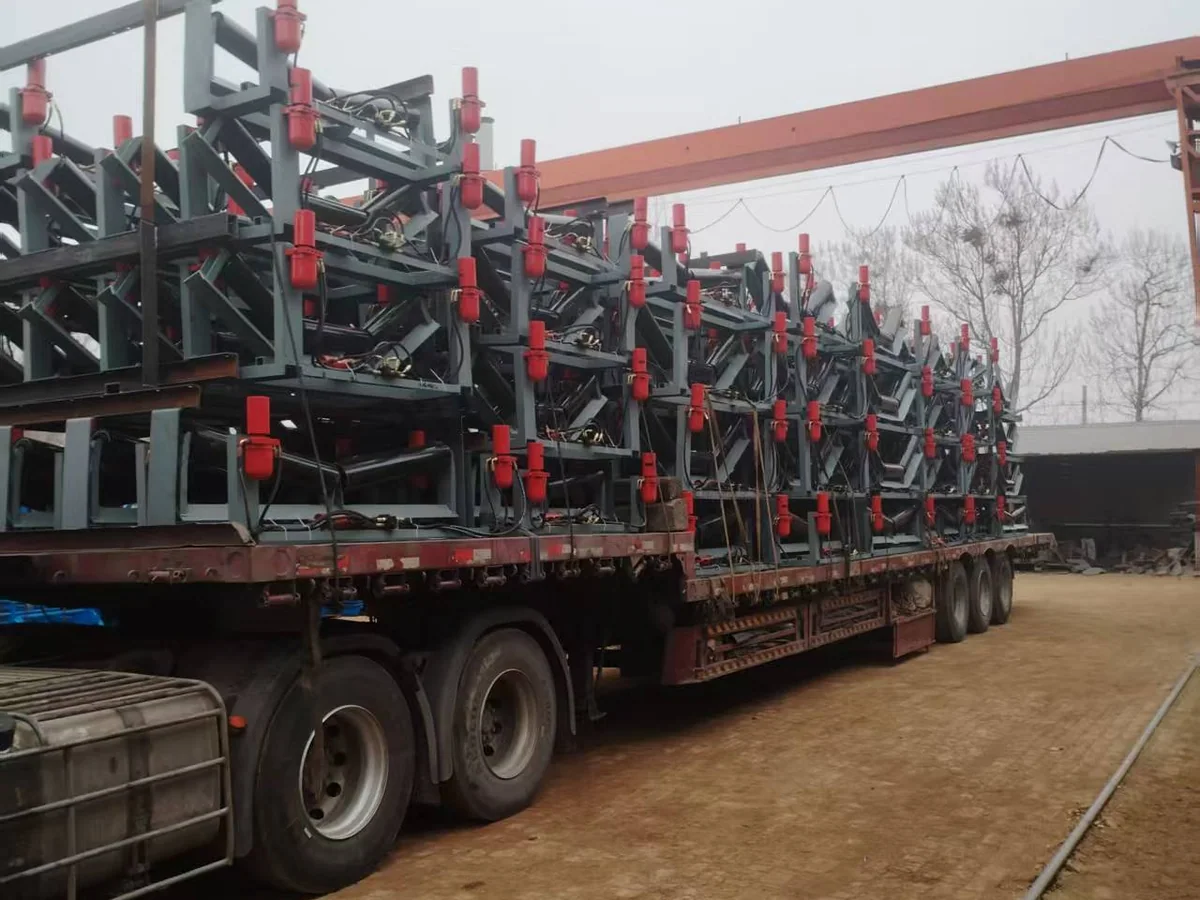
Hydraulic belt tracking devices, pulleys and idlers supplied for associated DTII(A) B1200 conveyors.
View ProjectShort answers to common selection and quotation questions.
Measure the roller diameter, face length, overall length, shaft ends and mounting arrangement, then confirm bearings, seals and duty.
They are normally considered below loading and transfer points where drop height and lump size create impact.
Belt width, load, sag limits, trough geometry, material and conveyor position all influence spacing.
Send us your drawing, specifications or application requirements. Our team can review the information before quotation.