On This Page
Introduction
Overseas buyers evaluating a conveyor machinery factory in China need more than photographs of equipment. The useful questions are how drawings reach the workshop, which dimensions are controlled at each operation, how deviations are handled and what evidence is available before shipment. A factory visit or remote audit should connect visible machines with the actual production route for the buyer’s parts.
At Junxin, conveyor idlers, pulleys, fabricated structures and supporting components pass through different combinations of material preparation, machining, welding, assembly, surface treatment and inspection. The route depends on the approved drawing and order requirements. This article explains that workflow from a manufacturer perspective and shows what buyers should verify when comparing production capability. It does not treat one machine as proof of every capability; process control and confirmed specifications remain essential.
Junxin Manufacturing Perspective
Factory capability is demonstrated by how drawings, materials, operations and inspection records stay connected. Junxin plans checks at the stage where each feature is created, because relying only on final appearance can miss machining, alignment or interface problems.
Real Manufacturing Challenges
Conveyor machinery combines fabricated and machined work. A welded structure can meet its overall length but still have incorrect mounting centers. A pulley can have the correct shell diameter but unsuitable shaft fits or excessive runout. A roller may look complete while tube straightness, bearing-seat concentricity or seal assembly affects its operation. Quality therefore cannot be added only at final inspection.
Order mix is another challenge. A workshop may process several diameters, shaft ends, frame types and material grades at the same time. Drawings, travelers and item markings have to keep these variants separate. Overseas projects add document revisions, inspection notifications and export packing requirements. If a drawing changes after material has been cut, the factory needs a controlled way to identify affected work.
Large parts bring handling and distortion risks. Welding heat can move hubs or structural interfaces. Long shafts and tubes need support during machining and storage. Finished machined surfaces require preservation before ocean transport. These constraints influence the production sequence and are part of the capability a buyer should review.
Technical Explanation
A controlled production route begins when the commercial item is converted into approved manufacturing information. The drawing should state material, dimensions, tolerances, weld details, purchased components, coating, identification and inspection requirements. Open questions are resolved before release. Each operation then creates or verifies particular features.
Material preparation establishes blanks and profiles. Machining creates bearing fits, shaft features and concentric surfaces. Welding joins shells, hubs and structures while controlling sequence and geometry. Assembly brings bearings, seals, rollers or other components together. Surface work protects the product where specified. Inspection occurs between operations as well as at completion, because some features become difficult to access later.
For buyers, the key is traceability between the purchase item, approved drawing, workshop item and final package. The process does not need unnecessary paperwork, but it does need enough control to prevent one configuration from being substituted for another.
Drawing Review and Production Planning
Before manufacture, Junxin reviews the drawing and enquiry data for completeness. We check units, revisions, material descriptions, interfaces and any conflict between written specifications and drawings. For replacements, we identify which dimensions come from site measurement and which are confirmed design values. For manufacturer-reviewed selections, the operating data and design responsibility must be clear.
Planning then assigns the main operations and inspection points. Material availability, purchased bearings or other components, machining sequence, welding, coating and packing all affect the schedule. If the buyer requires a hold point or third-party witness, notification time is included. A realistic lead time begins after the information needed for production is approved, not simply on the day an incomplete enquiry is received.
Steel Tube and Plate Preparation

Tube and plate preparation convert stock material into controlled blanks. Roller tube length and cut condition influence later end preparation and assembly. Pulley shells require material and dimensions suitable for the approved design. Plates for frames, brackets and guards are cut to profiles before bending or welding.
At this stage, the workshop checks that the material and blank correspond to the released item. Cut parts should remain identifiable when several similar orders are active. Poorly controlled blank dimensions create extra machining or can make the final dimension impossible to recover. Material surfaces are also reviewed for visible conditions that may affect later work.
CNC or mechanized cutting improves profile repeatability, but it does not replace drawing review. Hole centers, bend allowances, edge conditions and post-weld machining must be considered in the complete route.
Machining and Dimensional Control

Machining establishes the fits and interfaces that determine assembly and site compatibility. Typical work includes shafts, bearing seats, keyways, hub bores, shell surfaces and bearing housings. The drawing should distinguish critical fits from general fabrication dimensions so the correct instrument and inspection frequency can be used.
Measurement during machining allows correction before the part leaves the setup. A final-only check may identify a nonconformity after time and material have already been added. For rotating parts, concentricity between related features is particularly important. Tool condition, work support and setup affect the result as well as the machine itself.
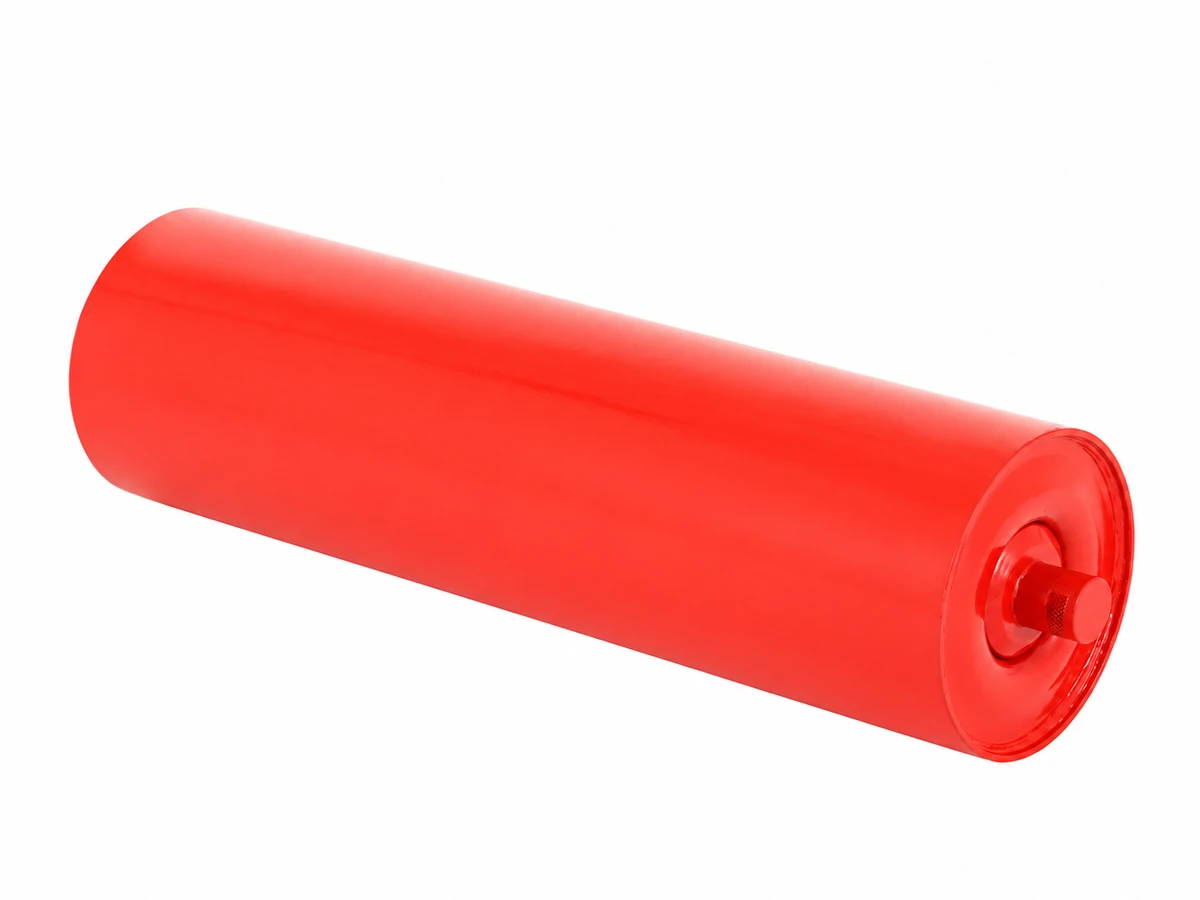
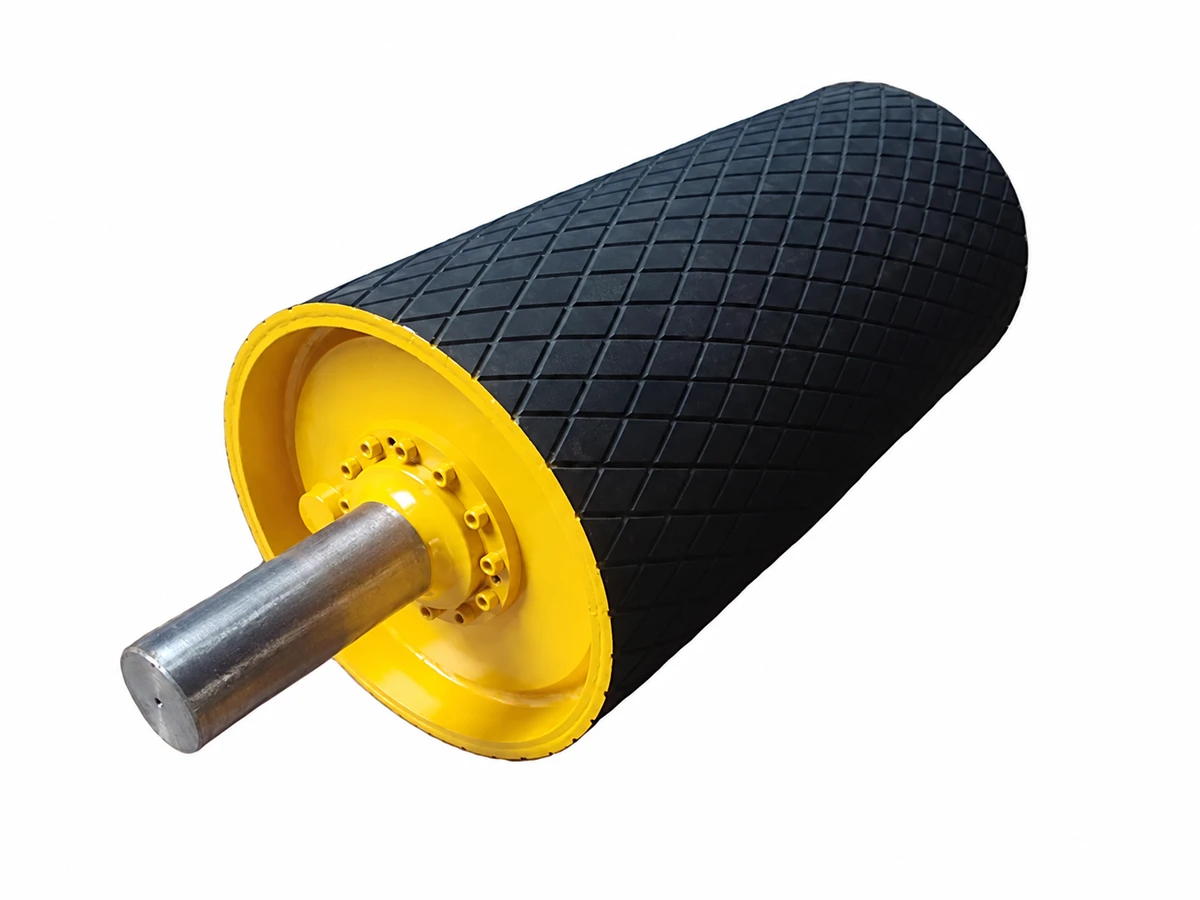
Buyers of custom conveyor pulleys should provide shaft, hub, bearing and connection details together. Buyers of conveyor idlers and rollers should define tube, shaft, bearing, seal and frame interfaces. These inputs turn general product names into machinable information.
Welding and Fabrication Control

Welding joins pulley shells and hubs as well as frames, bases and support structures. The applicable drawing defines joint location and required weld details. Fixtures, tack sequence and intermediate checks help preserve alignment. For structures, mounting datums and diagonals may need rechecking after the main welds. For pulley assemblies, the relationship between the shaft, hubs and shell must be considered through the manufacturing sequence.
Visual weld inspection checks location, continuity and visible condition against the agreed requirement. Nondestructive testing is not assumed for every part; when a project requires it, the method, coverage, timing and acceptance criteria are agreed before production. This allows the correct surfaces to remain accessible and the work to be scheduled.
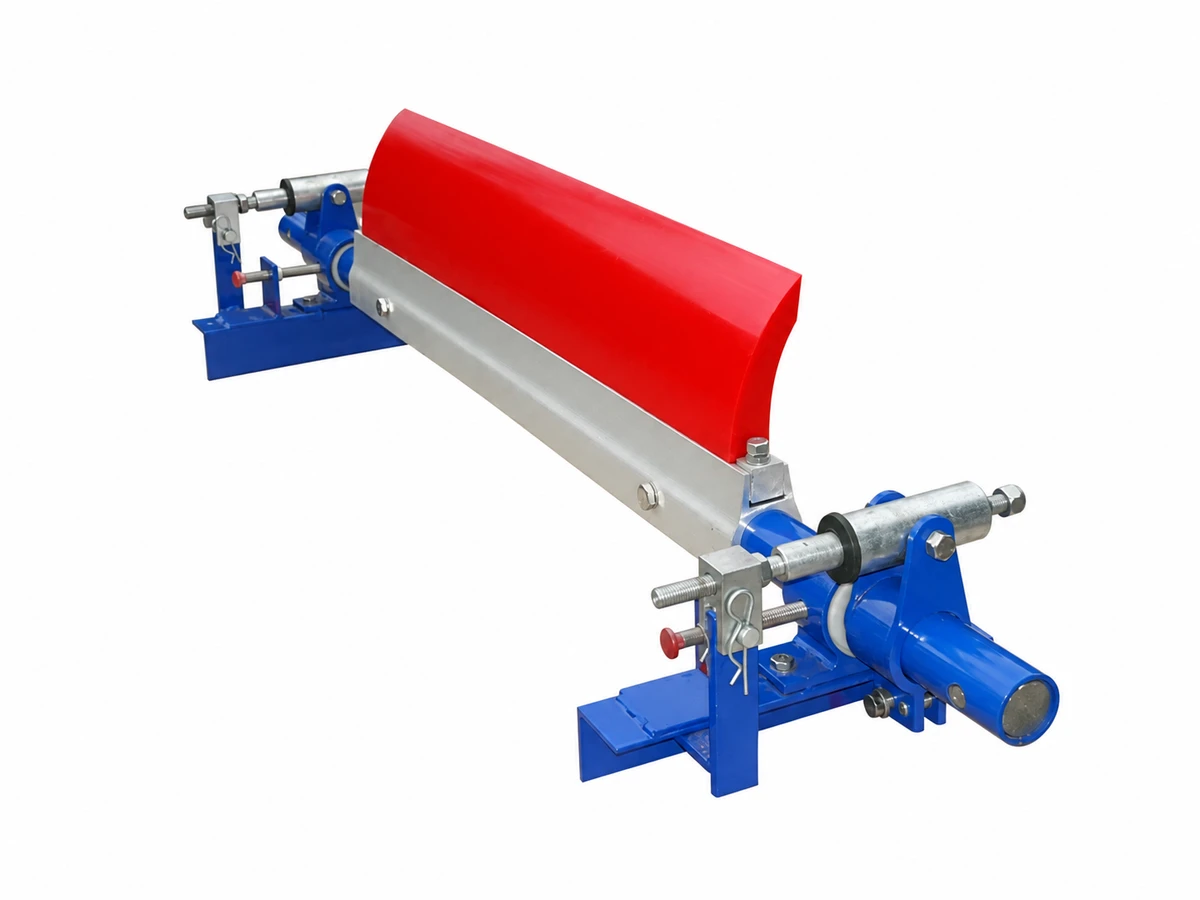
Fabricated conveyor components and supporting parts can include frames, brackets, guards and cleaner or tracking assemblies. Their inspection should concentrate on the interfaces that control installation, not only on weld appearance.
Assembly, Surface Protection and Packing
Assembly brings together manufactured parts and purchased items such as bearings and seals. Components are checked against the item specification before use. Roller or pulley assembly requires attention to cleanliness and the protection of machined interfaces. Any rotation or runout requirement in the order is verified at the appropriate stage.
Surface protection follows the approved scope. Painted parts require the specified preparation and coating system; machined areas may need temporary corrosion protection instead of paint. Color alone is not an adequate coating specification. Where dry-film thickness or other results are required, the acceptance value and record format should be defined.
Export packing must support the product and preserve it through handling and storage. Shaft ends and machined faces should be protected from impact and direct contact with securing materials. Mixed parts need labels linked to the packing list. Heavy assemblies require clear lifting and center-of-gravity consideration. Buyer-specific packing, marking or fumigation instructions should be included before packing begins.
Buyer Considerations
When evaluating a conveyor manufacturer factory, ask for the production route for your actual product rather than a general equipment list. Which operations are performed in the workshop? Which are sourced? How are drawing revisions released? Which dimensions are checked during production? How are nonconforming parts identified and resolved? These questions reveal more than a polished company description.
During a remote or in-person review, choose one sample order and follow it from drawing to material, work in progress, inspection and packing. Check whether item markings and documents agree. For custom work, ask how the factory distinguishes similar variants. For repeat work, ask how the approved revision is retained and referenced.
Commercial comparison should also normalize scope. Bearings, lagging, frames, fasteners, coating, inspection records and export packaging may or may not be included. Confirm drawing approval time and the starting point for lead time. If third-party inspection is planned, state the notice period and responsible contact.
Quality Control
Junxin’s quality approach is tied to the order information. Incoming material and purchased items are checked against specified requirements. In-process inspection covers features created at cutting, machining, welding and assembly. Final checks confirm overall dimensions, visible condition, specified operating checks, identification, quantity and packing readiness.
The inspection plan should be proportionate to risk. Critical fits and installation interfaces deserve explicit values and records. Weld and coating requirements need defined acceptance criteria. Requested material documents, dimensional reports, photographs or third-party records must be listed before production so they are collected at the correct stage.
If a result does not meet the approved requirement, the issue should be identified before shipment and evaluated against the drawing or agreed disposition. Quality control is not a promise that every part receives every possible test; it is a controlled match between the manufactured item and the purchase specification.
Preparing for a Factory-Based Quotation
Send Junxin the product schedule, drawings, quantities, operating conditions, material and surface requirements, inspection plan, document list, packing instructions, delivery destination and target date. For existing equipment, add clear photographs and measured interfaces. For new equipment, identify the design basis and approval responsibility.
This information allows the workshop route, tooling, purchased items and inspection effort to be considered in the offer. It also gives overseas buyers a clear basis for evaluating the quotation and, after order, tracking the same requirements through approval, production and shipment.
Frequently Asked Questions
Which production stages can buyers review for a custom order?
The relevant stages depend on the product and agreed inspection plan. They may include material preparation, machining, welding, assembly, dimensional checks, surface protection and packing.
Does every conveyor part require nondestructive weld testing?
No. The method, coverage and acceptance criteria should be based on the component and project specification. Any required testing must be agreed before production.
How are custom drawing revisions controlled?
The purchase item should reference an approved drawing number and revision. Changes are reviewed before the updated information is released to affected production and inspection stages.
What information helps Junxin prepare an accurate factory quotation?
Provide controlled drawings, quantities, operating conditions, materials, purchased-part preferences, coating, inspection and document requirements, packing, destination and required delivery date.