On This Page
Introduction
When an overseas buyer searches for a conveyor idler manufacturer, the practical question is not simply who can quote a roller with the requested diameter. The supplier must translate the conveyor arrangement, load, belt speed, frame interface and operating environment into a repeatable manufactured component. A quotation that lists only roller diameter and face length may look complete, but it does not confirm the shaft ends, bearing arrangement, sealing structure, tube wall, runout expectation or inspection scope.
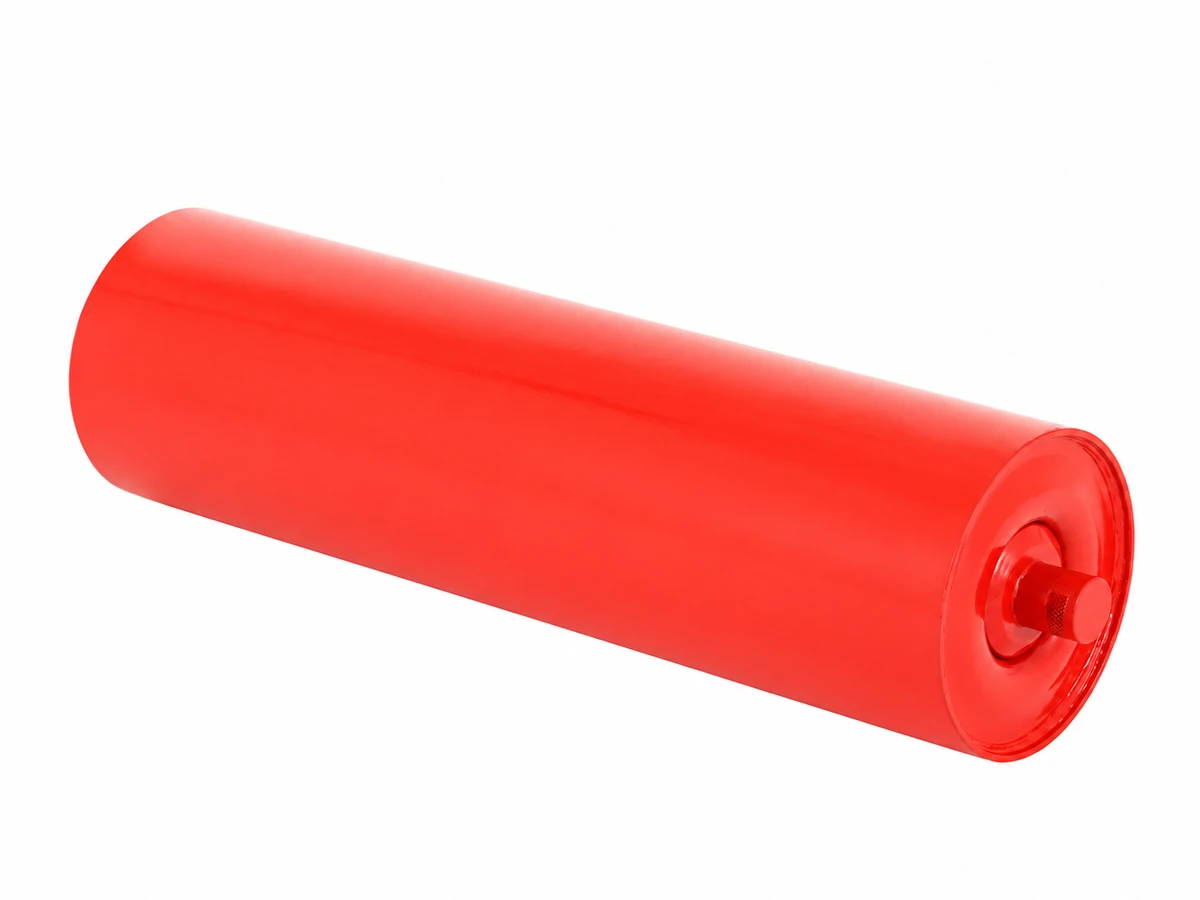
Hebei Junxin Conveyor Machinery reviews idler enquiries from a manufacturing perspective. We compare the buyer's drawing, existing sample or dimensional schedule with the intended conveyor position before confirming the production scope. This is especially important for replacement orders, where a small difference in shaft projection or mounting flats can prevent an otherwise acceptable roller from fitting the frame. Buyers reviewing our conveyor idlers should prepare the installation and duty information as carefully as the quantity.

Junxin Manufacturing Perspective
When Junxin reviews an idler enquiry, we look for controlled dimensions, operating duty and acceptance requirements before discussing production volume. Buyers can compare suppliers more reliably by checking drawing control, machining and assembly methods, in-process inspection and how deviations are documented.
Why Choosing the Right Conveyor Idler Supplier Matters
Idlers are distributed along the complete length of a belt conveyor. A dimensional or rotational problem repeated across hundreds of positions can create more site work than a problem with a single larger component. Poor frame fit slows installation. Inconsistent rotation increases drag and can make fault finding difficult. Inadequate sealing can shorten bearing service life in dust or moisture. Variation between production batches also complicates spare-parts management because maintenance teams cannot rely on one replacement specification.
The commercial risk is equally important. International orders involve packing, freight, customs documents and longer replenishment cycles. If a buyer discovers an interface error after delivery, correcting the issue may cost more than the rollers themselves. A dependable custom conveyor idler supplier should therefore reduce uncertainty before production. The supplier should identify missing information, mark assumptions clearly and confirm which dimensions and tests will be used for acceptance.
Price comparisons are useful only when quotations describe the same scope. One supplier may quote a different tube wall, bearing series, seal arrangement, shaft material, finish or inspection level while using the same basic product name. Buyers should normalize these details before comparing unit prices. A lower quotation is not a saving if it excludes a required interface or uses an unconfirmed construction.
Key Factors Buyers Should Evaluate
Begin with evidence that the supplier understands the requested roller rather than with a catalogue claim. Ask for a marked drawing or dimensional confirmation showing roller outside diameter, face length, overall shaft length, shaft diameter, bearing-seat details and shaft-end geometry. For troughing sets, confirm the roller positions, trough angle and frame arrangement. For return or impact positions, state the construction and surface requirements instead of assuming that the supplier will infer them from the belt width.
Then review how the supplier controls the manufacturing steps that affect fit and rotation. Relevant questions include how tube straightness is checked, how bearing housings are located, how shaft seats are machined, how components are kept clean during assembly and which finished dimensions are inspected. The answer should connect each operation to the approved drawing. General statements about quality are less useful than a clear production route and an agreed inspection list.
Buyers should also evaluate communication discipline. A buyer may begin with the search phrase “conveyor roller supplier China,” but factory evaluation must still go beyond the search result. Suppliers may receive enquiries that combine metric and imperial dimensions, old site sketches, photographs and incomplete equipment records. The responsible response is to highlight conflicts and request clarification. A quotation should state the confirmed specification, quantity, packing basis, lead-time basis, documents included and any items supplied by others. This allows the technical and purchasing teams to review the same scope.
- Drawing control: Is there one approved revision for production and inspection?
- Material scope: Are tube, shaft, bearing, seal and surface requirements identified?
- Process capability: Can the workshop perform the required cutting, machining, fitting, welding where applicable and assembly operations?
- Inspection: Are measurable acceptance items stated before the order?
- Export execution: Are marking, packing and shipping documents included in the commercial scope?
Manufacturing Capability
Manufacturing capability should be assessed against the buyer's idler design. The normal route starts with technical review and material preparation. Tube is selected to the confirmed outside diameter and wall requirement, cut to length and checked for end condition. Bearing housings must match the tube and bearing arrangement. Shafts are turned to the specified bearing seats, shoulders and mounting ends. Flats, slots, threads or other end features are machined only after their dimensions and orientation are confirmed.
Assembly quality depends on the relationship between these parts. The tube and housings must remain aligned, the shaft and bearing seats must be consistent, and the seal components must be installed in the intended sequence. Excessive assembly force or contamination around the bearing area can undermine otherwise acceptable components. A buyer should therefore ask how the supplier controls work in progress, not only how the finished roller looks.

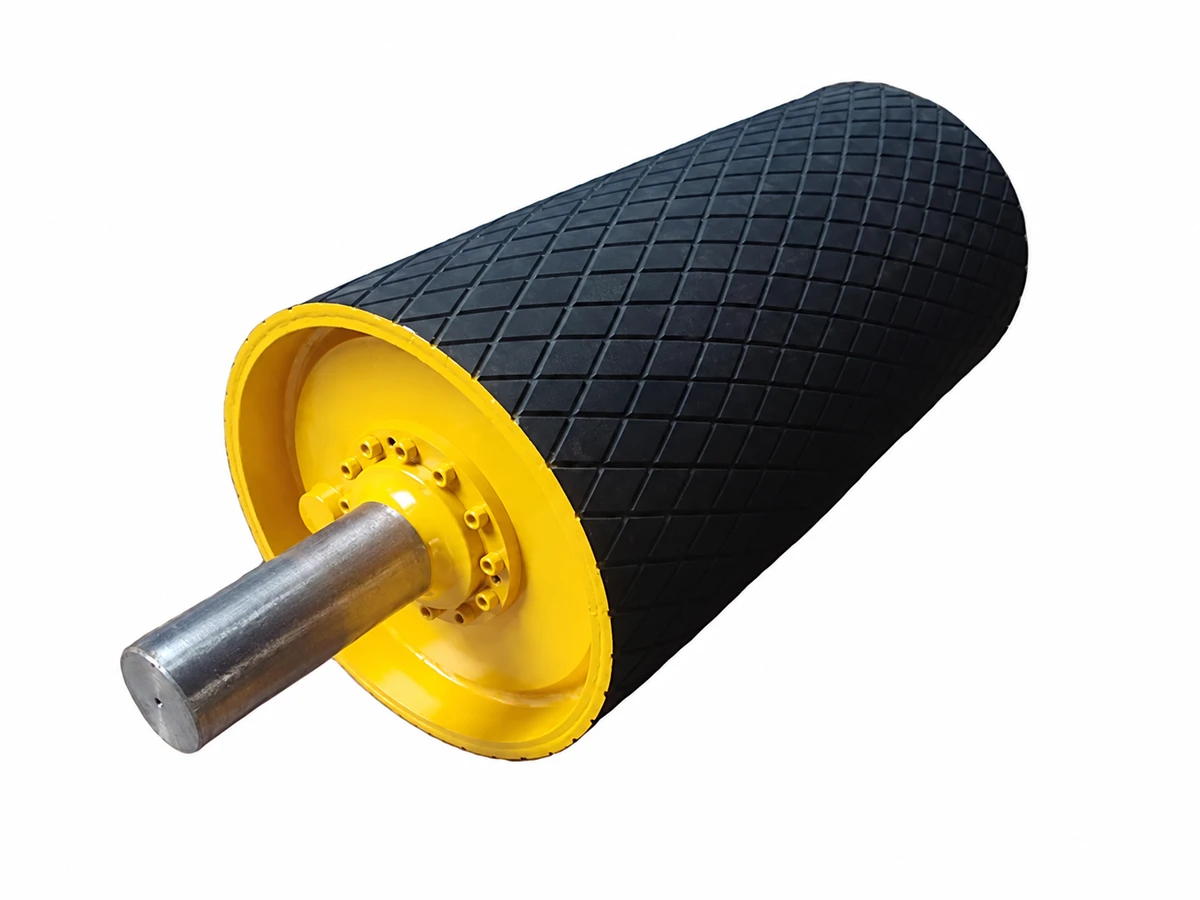
Workshop capability can also be relevant when an order includes more than rollers. Pulley, frame and structural work may require turning, fitting and welding operations with different workpiece sizes. A factory that reviews these interfaces together can identify conflicts between roller dimensions, frame mounting and the wider belt conveyor system before dispatch. This does not remove the need for approved drawings; it makes the drawing review more effective.
Customization Capability
Customization should mean controlled production to confirmed requirements, not an open promise to make any roller. Useful customization starts with the operating position and installation interface. The review may cover roller diameter, face length, shaft length, shaft-end form, bearing and seal arrangement, tube wall, surface treatment, impact rings or other contact surfaces, and identification marking. Each item should have a source: an approved drawing, a verified sample, a conveyor standard or a written buyer requirement.
For replacement work, photographs help identify the general arrangement but do not replace dimensions. The buyer should measure the existing frame and an unworn roller, record both shaft ends and note whether the roller is carrying, return, impact or self-aligning. If a sample is supplied, the parties should agree which features are to be copied and which are to be changed. Wear, corrosion and previous site modification can make an old sample different from the original design.
For new equipment, provide the belt width, trough arrangement, load data, belt speed and environment with the roller schedule. A custom conveyor idler supplier can then review commonality between positions and help the buyer avoid unnecessary variation. Standardizing compatible shaft ends, bearings or seal arrangements may simplify spare holdings, but any standardization must remain consistent with load, speed and installation requirements.
Quality Control Process
Inspection should follow the risks defined during technical review. Incoming and in-process checks may cover material dimensions, tube condition, machined shaft features and bearing-housing fit. During assembly, cleanliness, component sequence and alignment require attention. Finished checks normally focus on the items that determine installation and basic operation: roller diameter, face length, overall length, shaft projection, shaft-end geometry, free rotation, visible runout, abnormal noise, surface condition and marking.
The acceptance method matters. A phrase such as “runout checked” is incomplete unless the measuring position, rotation method and agreed limit are known. The same principle applies to coating thickness, weld inspection or bearing specification. Buyers should state any required record, sampling plan, witness point or third-party inspection before the quotation is finalized. Adding these requirements after production can cause delay and may require work to be repeated.

Traceability should be proportionate to the order. At minimum, the product marking, packing list and drawing reference should allow the buyer to identify what was supplied. Larger or project-specific orders may require inspection reports, material documents or staged photographs. Junxin confirms the documentation scope with the order so the workshop and export team work to the same requirement.
How Junxin Supports Overseas Buyers
Our review starts with the information the buyer can provide: drawings, roller schedules, equipment references, photographs, samples and operating data. We identify missing interfaces and confirm the production scope before material is released. Where a detail remains uncertain, it is marked for approval rather than treated as a workshop assumption. This is particularly useful when a maintenance buyer is sourcing replacements for an installed conveyor without a complete original drawing set.
For commercial comparison, we aim to keep the technical description and supply boundary visible in the quotation. Quantity, packing needs, delivery basis and required documents should be discussed with the product specification. If an order includes conveyor pulleys or structural components as well as idlers, their drawing references and packing groups can be coordinated while the individual acceptance requirements remain separate.
Before shipment, the agreed inspections and order identification are reviewed. Export packing is planned from product size, quantity and handling needs. Buyers should still specify any destination rules, fumigation or material restrictions, lifting limitations and preferred package markings during the enquiry. These details affect the commercial scope and should not be left until the goods are ready.
Buyer Checklist Before Sending an Inquiry
A complete enquiry helps the manufacturer return a quotation that can be compared technically and commercially. Use the following list for a new or replacement idler order:
- Roller type and conveyor position: carrying, return, impact, transition or other defined duty.
- Belt width, belt speed, trough angle and loading condition.
- Roller outside diameter, face length and required tube wall or construction.
- Overall shaft length, shaft diameter, projection and full end details, including flats, slots or threads.
- Bearing and sealing requirement, or permission for the supplier to propose them from confirmed duty data.
- Environment: dust, moisture, temperature, corrosion exposure and indoor or outdoor operation.
- Surface finish, coating, impact rings or other contact-surface requirement.
- Quantity by roller type and any spare-parts allocation.
- Drawing, schedule, clear photographs or a measured sample for replacement work.
- Inspection, documentation, marking, packing and delivery requirements.
If some information is unavailable, state that clearly. The supplier can then separate confirmed data from open points. That is more reliable than filling gaps with assumptions and allows both parties to close the technical scope before production.
Frequently Asked Questions
What information does a conveyor idler manufacturer need for a quotation?
Provide the roller position, belt width and speed, roller diameter and face length, full shaft-end dimensions, bearing or seal requirements, environment, quantity and inspection needs. A drawing or verified sample is strongly recommended for replacement orders.
Can Junxin manufacture conveyor idlers from a customer drawing?
Junxin can review drawing-based idler requirements, including tube dimensions, shaft ends, bearing and seal arrangements, surface requirements and identification. Production should begin only after the relevant drawing revision and open technical points are confirmed.
How should buyers compare quotations from different idler suppliers?
Compare the same construction and supply scope. Check tube and shaft requirements, bearing and seal details, finished dimensions, inspection, documentation, packing and delivery basis instead of comparing only the unit price and nominal roller size.
Which inspections should be agreed before ordering conveyor rollers?
Typical checks cover finished dimensions, shaft interfaces, free rotation, visible runout, abnormal noise, surface condition and marking. Any numeric tolerance, sampling plan, witness point or document requirement should be stated before production.