On This Page
Introduction
Overseas buyers rarely need an isolated part without context. A replacement idler must fit the existing frame, a pulley must match its bearings and coupling, and a cleaner must work within the available chute space. For this reason, selecting a conveyor components manufacturer is mainly an exercise in controlling interfaces. Price is relevant, but a low unit price has little value if dimensions are interpreted differently, the material grade is unclear, or the shipment cannot be installed during a planned shutdown.
Junxin approaches component enquiries from the manufacturing side. We review drawings, operating information, quantities and inspection expectations before confirming a quotation. The objective is to establish what the part must connect to, what load and environment it will face, and which dimensions the buyer will inspect on arrival. This article explains how we handle idlers, pulleys, cleaners, tracking devices, fabricated structures and other replacement parts for industrial conveying applications.
Junxin Manufacturing Perspective
Custom component work begins with the mating equipment. Junxin identifies mounting datums, working direction, wear conditions and maintenance clearance before fabrication so the supplied part is evaluated as an installed interface rather than an isolated steel item.
Real Manufacturing Challenges
The difficult work in custom components is not making steel look like the sample. It is reproducing the functional dimensions and duty while accounting for manufacturing tolerances. An old part may be worn, bent or modified on site. A drawing may show overall dimensions but omit the bearing series, seal arrangement, weld detail or machining tolerance. Metric and inch dimensions are sometimes mixed in the same project. If these gaps are not resolved before production, errors appear at assembly or installation.
Small batches create another challenge. A replacement order may contain several similar-looking parts with different shaft ends, mounting holes or handed arrangements. Production documents must separate them clearly, and packaging labels must help the maintenance team identify each position. For fabricated parts, heat input from welding can distort mounting faces. For rotating parts, concentricity and balance depend on the relationship between the tube or shell, shaft, hubs and bearings. A reliable custom conveyor components supplier therefore needs drawing control as much as machinery.
Material condition also changes the solution. Abrasive ore, wet fines, corrosive moisture and outdoor storage affect shell thickness, sealing, coating and cleaning arrangements. We ask about these conditions because a component copied only by overall size can still have an unsuitable service life.
Technical Explanation
We divide an enquiry into functional groups: rotating components, fabricated supports, wear parts and purchased interfaces. Rotating components include rollers and pulley assemblies. Their technical definition normally covers diameter, face length, shaft geometry, bearing arrangement, seals, runout expectations and surface treatment. Fabricated supports include idler frames, brackets, guards, chutes and structural members. These require material thickness, hole patterns, datum points, weld requirements and coating information. Wear parts include cleaner blades, impact elements and liners, where material compatibility and replacement access are important.
The approved drawing becomes the production reference. It should identify critical dimensions rather than treating every dimension equally. For example, a frame may tolerate variation in a non-contact edge while its mounting-hole centers and roller seating positions require tighter control. A pulley drawing should establish the shaft centerline, hub position, face width, bearing seats and connection features. This distinction helps inspection focus on dimensions that determine interchangeability.
Buyers reviewing our broader range can compare these interfaces with our custom conveyor components. When an enquiry includes rotating equipment, the same operating data should also be carried into the component specification so that individual parts are not selected independently of the actual duty.
Common Conveyor Components

A typical sourcing package may include carrying and return rollers, impact rollers, idler frames, pulley assemblies, bearing housings, cleaner assemblies, tracking devices, guards and mounting brackets. These parts should not be grouped under one vague description. Each family has different failure modes and therefore different information requirements.
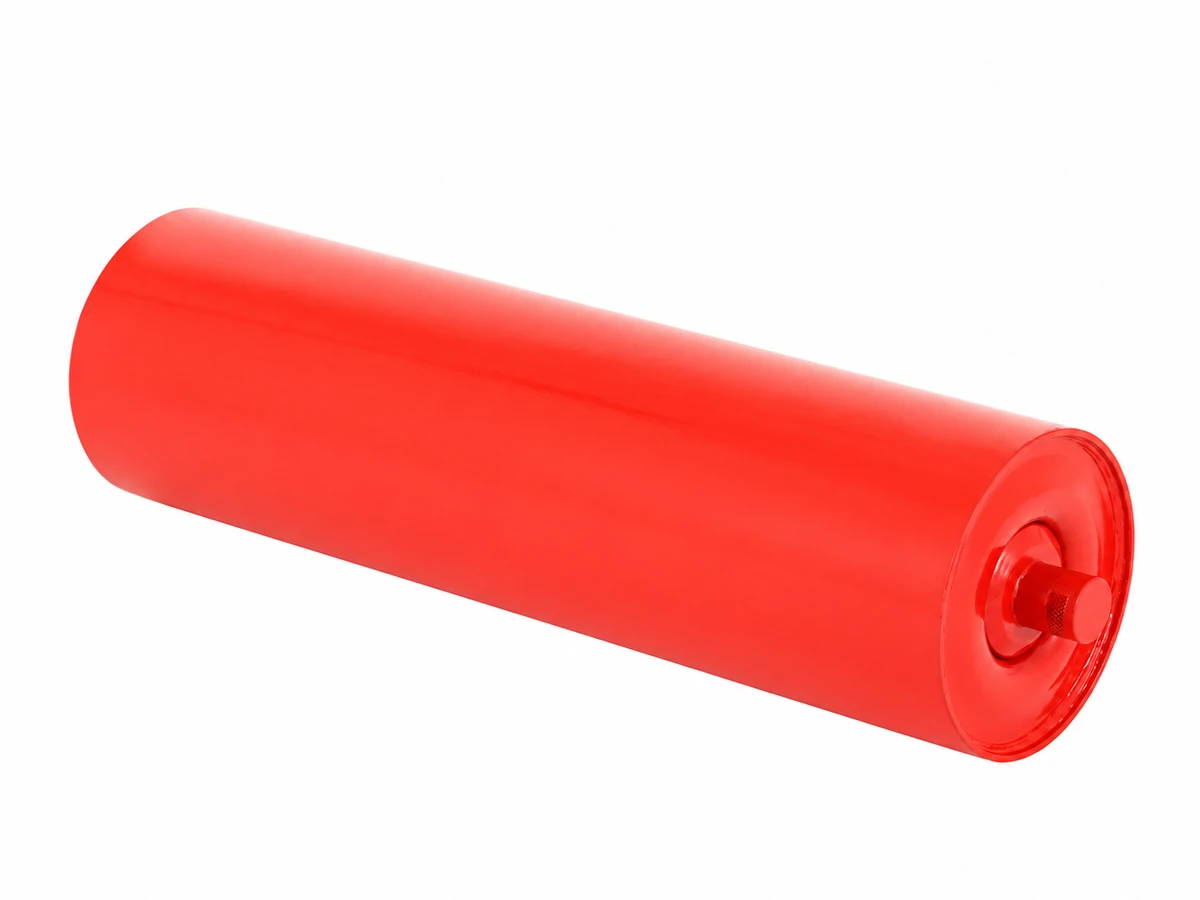
For idlers, buyers should state roller diameter and length, shaft end detail, bearing preference, seal arrangement, tube wall requirement and frame geometry. Loading-zone sets may need closer attention to impact rings and trough alignment. Our conveyor idlers are quoted after these points are confirmed rather than inferred from belt width alone.
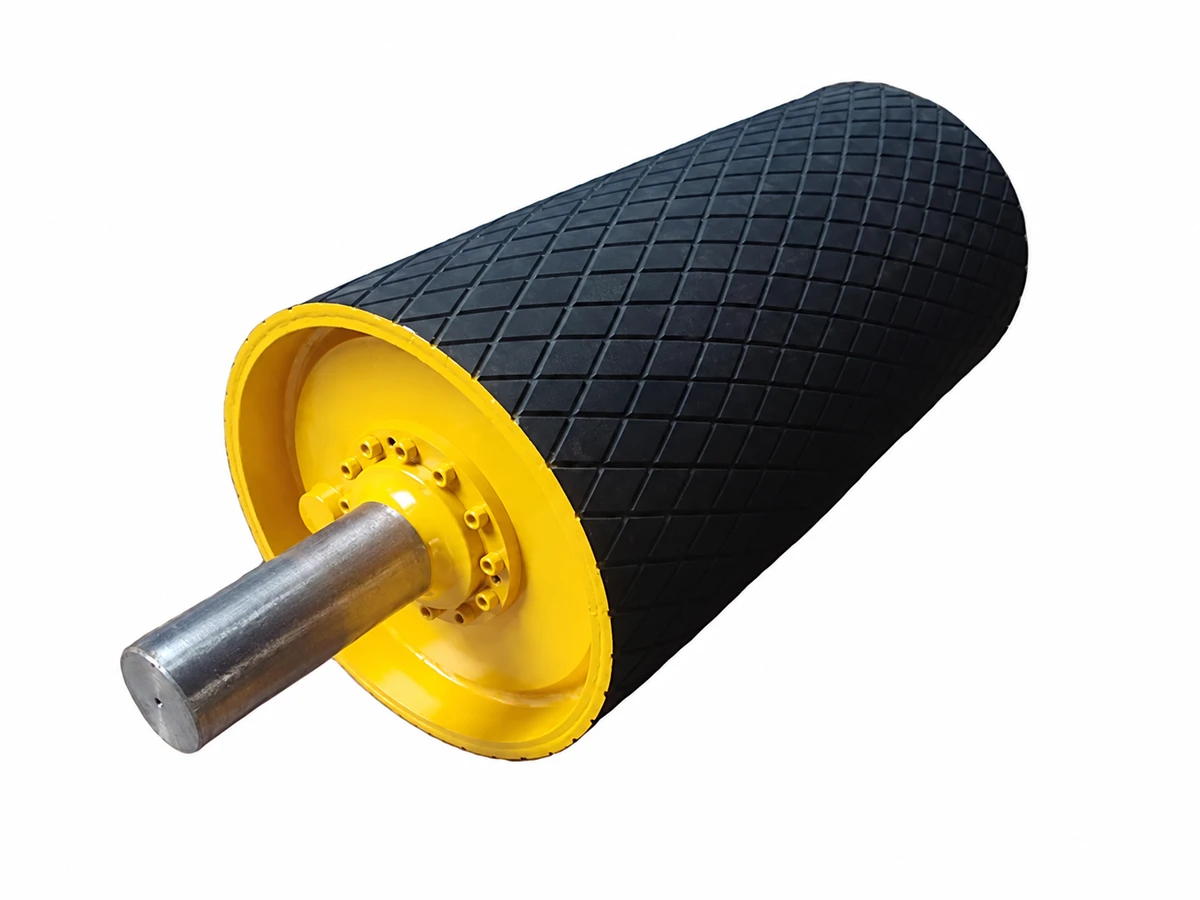
For pulleys, the drawing or data sheet should show shell and face dimensions, shaft extensions, keyways or locking assemblies, bearing references, lagging requirement and the pulley position. Drive and high-tension positions require load information because shaft and hub design cannot be evaluated from diameter alone. Buyers can review typical conveyor pulleys while preparing the technical schedule.
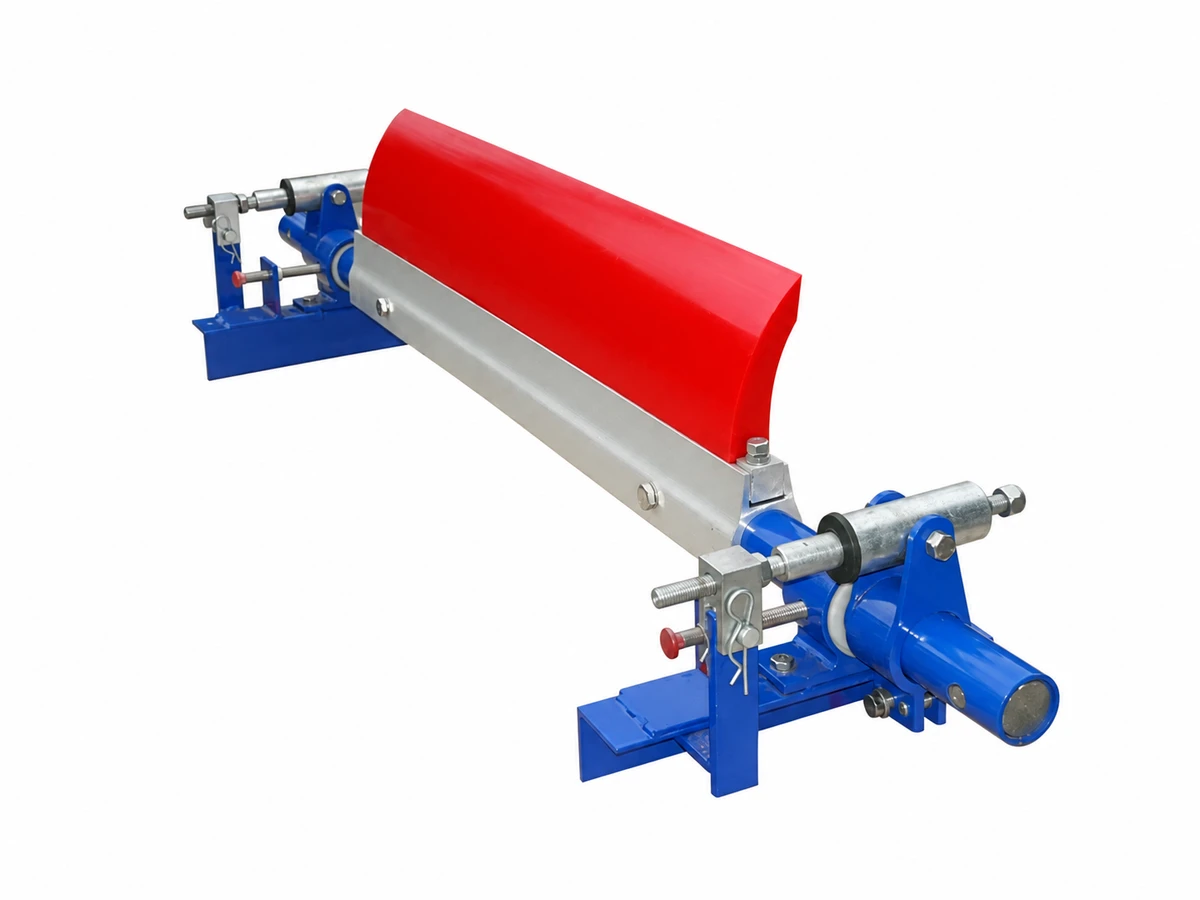
Cleaner blades and tracking components depend heavily on installation geometry. The blade material, mounting tube, tensioning method and clearance to adjacent structure all affect replacement. A photograph is useful for orientation, but dimensions remain necessary.
Custom Conveyor Structures

Custom structures include idler support frames, stringer connections, drive-base members, guards, walkways and transfer-area supports. Their apparent simplicity can hide important installation constraints. Hole centers must agree with the site steelwork, reference elevations must be clear, and left-hand or right-hand arrangements must not be reversed. If a structure will be shipped in sections, the drawing must define field joints, match marks and included fasteners.
During review, we look for a stable dimensional datum. Dimensions chained from one feature to the next can accumulate error; dimensions taken from a common datum are easier to manufacture and inspect. Material grades and section sizes should be identified explicitly. Welding symbols, fillet sizes and any areas that must remain free of weld spatter or coating should be shown. When coating is required, the buyer should state the surface-preparation and dry-film requirements or reference a project specification.
Fabrication sequence matters because welding introduces heat and shrinkage. Parts may require controlled tack assembly, diagonal checks and post-weld verification of interfaces. The inspection record should focus on the mounting faces and hole locations that determine site fit, not just overall appearance.
Supporting Conveyor Components

Supporting components often solve a specific operating problem: mistracking, carryback, impact, spillage or restricted maintenance access. These problems should be described before a replacement is selected. A tracking assembly, for example, needs sufficient freedom to respond without contacting nearby steelwork. Its center roller, wing rollers, guide elements and pivot arrangement must suit the installation width and travel direction.
For cleaners, the buyer should identify the head-pulley diameter, belt speed, belt direction, splice type, material condition and available mounting space. For impact support, material lump size, drop height and loading-zone length help determine the arrangement. For guards and covers, access panels and removal direction are part of the functional design. These details allow a conveyor replacement parts supplier to quote an assembly that can actually be maintained after installation.
Where an existing component is unavailable, the safest reverse-engineering package combines a dimensional sketch, several square-on photographs, part markings and measurements from mating equipment. We mark uncertain dimensions for confirmation rather than treating a photograph as scale.
Buyer Considerations
Before comparing offers, buyers should normalize the commercial and technical scope. Confirm whether the price includes bearings, housings, seals, fasteners, lagging, coating and export packing. Check whether the unit of quantity is a single roller, one complete idler set or one assembled frame. Ask the supplier to identify exclusions and drawing assumptions in the quotation.
For repeat orders, revision control is essential. The purchase order should reference the approved drawing number and revision. If a sample is used, record which dimensions were intentionally changed from the sample. A first-article or pre-production confirmation can be useful for unfamiliar parts, especially when the total order contains many identical units.
Logistics should be considered at the same time. Heavy pulley assemblies may need lifting points or a packing arrangement that keeps machined shaft surfaces clear of timber and steel straps. Mixed spare parts need durable labels connected to the packing list. Buyers should also state whether partial shipment is acceptable and which documents must travel with the goods.
Quality Control
Quality control starts with the released production information. Incoming material identity, dimensions and condition are checked against the order requirements. During fabrication and machining, operators check the features created at that stage so that an error is not carried into the next operation. Machined fits may be measured with appropriate instruments; fabricated assemblies are checked from agreed datums; rotating assemblies are inspected for specified runout or rotation requirements.
Weld appearance, location and size are checked against the drawing. Additional nondestructive testing is performed only when the purchase specification calls for it, and the method and acceptance criteria should be agreed before production. Coating inspection can include surface condition, color and dry-film thickness when these are specified. Finished parts are checked for quantity, marking and preservation before packing.
We recommend agreeing the document package at quotation stage. Depending on the order, it may include an approved drawing, dimensional report, material documents, inspection photographs or other requested records. Asking for undefined “full certification” after production can delay shipment and may require information that was not collected at the correct stage.
Information to Send for a Custom Parts Quotation
A useful enquiry contains the component name and position, drawing or measured sketch, quantity, operating environment, material handled, required materials, coating, inspection requirements and delivery destination. For rotating parts, include speed and load data where available. For replacements, add photographs of the installed arrangement and mating features. Mark critical dimensions and identify any values that still require site confirmation.
Also state the requested Incoterm, destination port or address, target delivery date and preferred packing method. If your organization has a vendor document list or inspection plan, attach it at the beginning. Junxin can then separate confirmed requirements from open questions and return a quotation with a clearer technical boundary.
Frequently Asked Questions
Can Junxin manufacture conveyor components from an existing sample?
A sample can support reverse engineering, but we still document the functional dimensions, materials, interfaces and intended changes before production. Worn samples should not be copied without checking their original geometry.
What information is most important for replacement idlers and pulleys?
Provide drawings or measured sketches, shaft and mounting details, bearing information, operating position, quantity and service conditions. For pulleys, include tension or load data and connection details where available.
Can different spare parts be packed in one shipment?
Yes. The enquiry should identify item numbers and required labels so each package can be matched to the packing list and the correct site position.
Which inspection records can be supplied?
The record package is agreed with the order and can include approved drawings, dimensional results, inspection photographs and specified material or coating documents. Required records should be listed before production.