
On This Page
Introduction
A useful conveyor equipment RFQ does more than ask for a unit price. It gives the manufacturer enough information to identify the duty, interfaces, scope and verification requirements. When those inputs are missing, suppliers either make assumptions or return a long list of questions. The resulting offers may look comparable while actually covering different materials, bearings, accessories or inspection work.
Junxin receives enquiries from EPC contractors, distributors, mine operators and maintenance teams. The clearest enquiries separate technical data from commercial instructions and show which values are confirmed. This guide explains how overseas buyers can prepare an RFQ that supports a faster technical review and a quotation that is easier to evaluate. It is intended for idlers, pulleys, replacement components and fabricated conveyor machinery rather than a generic purchasing template.
Junxin Manufacturing Perspective
From the workshop side, a product name is not enough to plan material, machining, welding or inspection. Junxin separates confirmed inputs from open points in an RFQ so assumptions are visible and the quotation can be matched to an approved drawing and document scope.
Real Manufacturing Challenges
Manufacturing starts from specific dimensions, materials and interfaces, while early project enquiries often start from capacity and a general equipment name. The gap between those two levels is where quotation risk develops. “Heavy duty roller” does not define tube thickness, bearing series, shaft end, seal arrangement or frame geometry. “Drive pulley” does not define torque, belt tension, hub connection, bearing centers or lagging. A supplier must either clarify these points or price an assumed configuration.
Existing-site replacements have another difficulty: the available drawing may not reflect modifications made during operation. Photographs can reveal the arrangement but cannot reliably establish scale, fits or tolerances. For fabricated items, shipping size and field assembly can affect design and cost. For rotating parts, an apparently small change in shaft or bearing selection can change machining and material requirements.
Documentation also consumes production time. Hold points, third-party inspection, material traceability and detailed reports must be planned before work begins. If these requirements appear only after the purchase order, the quoted schedule and price may no longer be valid. Good conveyor quotation requirements therefore cover both the product and the evidence the buyer expects.
Technical Explanation
An RFQ should be built in four layers. The first is application data: material, capacity, operating hours, environment and equipment position. The second is product definition: drawings, dimensions, materials and performance requirements. The third is verification: standards, inspection points, acceptance criteria and deliverables. The fourth is commercial scope: quantity, delivery term, destination, timing and packing.
These layers should agree. For example, a wet and abrasive application may justify particular sealing, shell or coating requirements. A high-tension pulley position requires more than a general diameter and face width. A replacement frame needs installation interfaces and handed orientation. When a requirement comes from a project standard, quote the relevant clause or attach the specification instead of relying on a broad statement such as “international standard.”
Use one item number for each unique configuration and maintain that item number across the data sheet, drawing and commercial schedule. Revision marks should be visible. If two items differ only in shaft end or hole spacing, say so clearly; this reduces the risk of treating them as identical during production and packing.
Define the Application and Operating Duty
Begin with the material handled, required capacity, bulk density, maximum lump size, moisture or corrosive characteristics, operating hours and ambient range. For outdoor or coastal service, state the exposure and coating requirement. If the equipment is in a loading or impact zone, provide drop height and loading arrangement. These facts help the manufacturer understand why a particular component specification was selected and identify conflicts early.
For a complete belt conveyor inquiry, route information may include center distance, lift, inclination, profile, belt speed and width, drive arrangement and take-up. For component-only enquiries, state the exact position and duty. Do not assume that belt width alone defines an idler or pulley; different projects use different frame geometry, face widths and shaft arrangements for the same nominal belt.
If some duty data is unavailable, label it “to be confirmed” rather than leaving a blank that could be interpreted as not applicable. Suppliers can then isolate the open points and explain which selections depend on them.
Provide Drawings and Component Data

Attach dimensioned drawings in PDF and, when practical, an editable engineering format. Mark the drawing number, revision, units and scale. Identify critical interfaces: mounting holes, bearing centers, shaft extensions, keyways, coupling details, frame width and installation datums. Photographs are valuable as supplementary information, especially for replacement work, but should not replace measured dimensions.
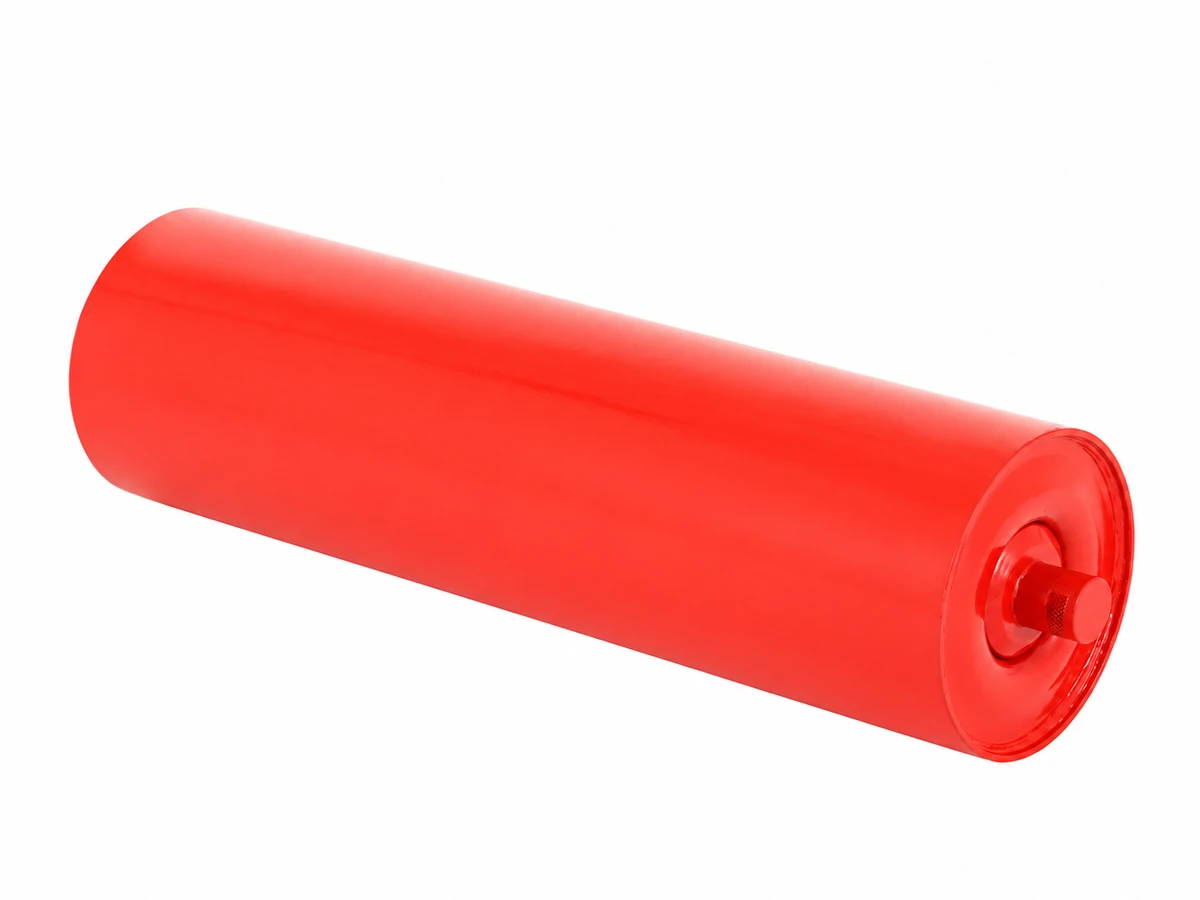
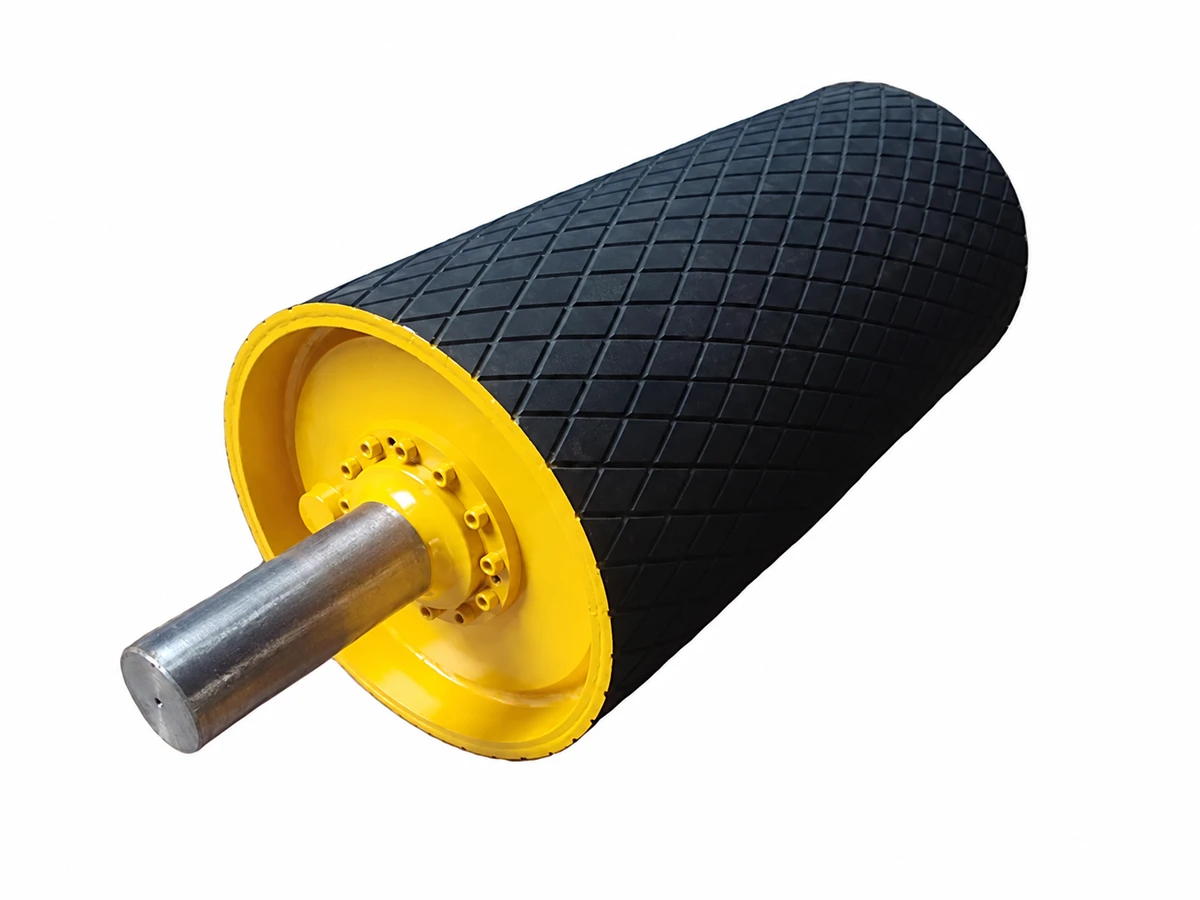
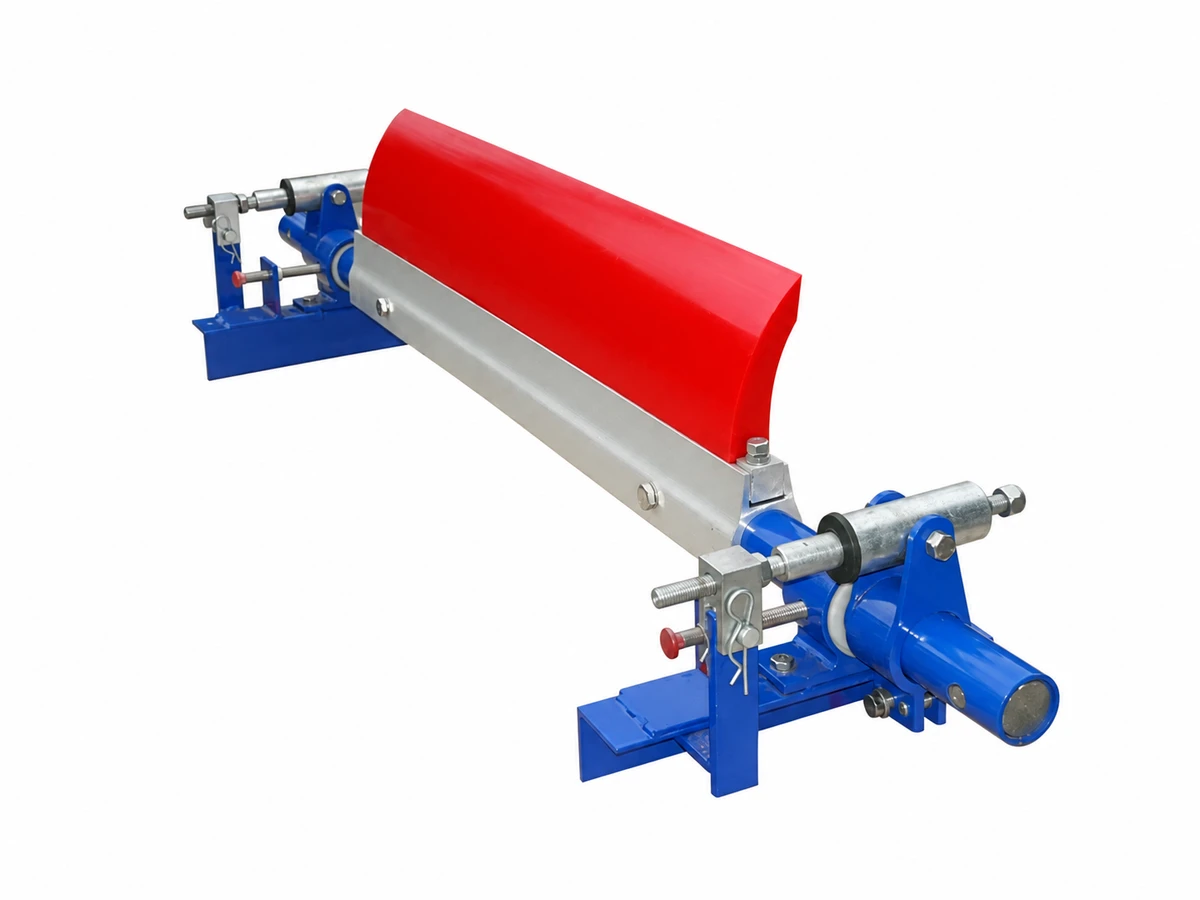
For conveyor idlers, state roller diameter and length, tube wall, shaft detail, bearing and seal preferences, trough angle, frame arrangement and quantity by type. For conveyor pulleys, include position, shell and face dimensions, shaft and hub arrangement, bearing details, lagging, loads or tensions, speed and connection features. For conveyor components, show the mating structure, working direction and maintenance clearance.
When dimensions come from site measurement, indicate the method and uncertainty. A marked-up photograph showing where each dimension was taken can prevent misunderstanding. If the old component is worn, distinguish measured values from the intended replacement size.
State Material, Surface and Purchased-Part Requirements
List material grades using a recognized designation and identify whether equivalents are acceptable. Generic terms such as “carbon steel” leave a wide range of possible properties. For rubber or polymer parts, state hardness, grade or expected service condition where known. For bearings, seals, fasteners and other purchased parts, state the required brand only if it is a project constraint; otherwise define the technical requirement and acceptable alternatives.
Surface treatment should include the system, color and any measurable acceptance requirement. “Painted blue” does not define surface preparation, primer, finish coat or dry-film thickness. Machined surfaces may need rust prevention rather than paint. If hot-dip galvanizing, special preservation or export fumigation marks are required, include them in the RFQ scope.
Buyer Considerations
Ask each bidder to return a technical deviation list. This gives procurement a direct way to compare what is included and what has been assumed. The quotation should identify unit scope, quantity, unit price, tooling or engineering charges, drawing approval time, production lead time, packing and offer validity. Confirm whether taxes, inland transport and export documentation are included.
Choose the Incoterm and named place carefully. FOB at a named Chinese port is different from delivery to the buyer’s site. For large or heavy items, provide any container, lifting or site restrictions. Request package dimensions and weights when freight planning is part of the decision.
Payment milestones should match meaningful stages, such as order confirmation, drawing approval or readiness for shipment. If a sample or first article is required, state who approves it and whether bulk production can begin before approval. For time-sensitive shutdown spares, identify the required on-site date rather than only an ex-works target.
Quality Control
The RFQ should include an inspection and document schedule proportionate to the order. Define which dimensions are critical, which tests are required, the acceptance criteria and whether the buyer or a third party will witness them. Avoid requesting every possible test without linking it to the product risk; unnecessary hold points add time and cost.
Typical requirements may include dimensional inspection, visual weld checks, runout or rotation checks, coating measurements, identification and final quantity verification. Material certificates, welding records or nondestructive examination should be requested only where the order requires them, with the applicable method and acceptance standard. A manufacturer needs these instructions before purchasing material and planning operations.
Agree how records will be submitted and approved. If document approval is required before shipment, include review time in the schedule. State whether photographs are sufficient for a point or whether live witnessing is required. This turns “quality inspection required” into an executable plan.
Machining Information That Changes a Pulley Quotation

Pulley pricing is sensitive to more than overall size. Shaft material and maximum diameter, bearing fits, keyways, locking devices, hub design, shell thickness and lagging all affect the manufacturing route. Load and torque information may change the shaft or connection design. Balance and runout requirements affect inspection and sometimes the production sequence.
If the buyer supplies a drawing, identify whether the manufacturer is expected to build exactly to it or review the design. Design responsibility should not remain ambiguous. If Junxin is asked to check a selection, we need the operating data and the allowable interface envelope, not only the existing part number.
A Practical RFQ Checklist
- Buyer project, item number, equipment position and required quantity.
- Material handled, duty, environment and operating schedule.
- Controlled drawings, dimensions, units, revisions and critical interfaces.
- Materials, bearings, seals, lagging, coating and acceptable alternatives.
- Inspection points, acceptance criteria and required documents.
- Requested Incoterm, named destination, packing, delivery date and quotation currency.
- Contact for technical questions and deadline for clarifications.
When this information is assembled in one package, Junxin can issue a more precise offer and maintain the same item references through drawing review, manufacture, inspection and packing.
Frequently Asked Questions
Can I request a quotation without a finished drawing?
Yes, if you provide available dimensions, operating data, photographs and interfaces. The manufacturer may need clarification or a drawing confirmation before the offer and production scope can be finalized.
Why do quotations from different suppliers vary when the item name is the same?
The offers may assume different materials, bearings, dimensions, accessories, inspection work, packing or delivery terms. A common data sheet and a required deviation list make comparison more reliable.
When should inspection requirements be submitted?
Include them with the RFQ. Material documents, witness points and special testing may affect purchasing, production sequence, lead time and price.
What is the fastest way to clarify a replacement-part enquiry?
Send a dimensioned sketch, clear photographs from several angles, markings from the old part, mating-equipment details and the required quantity. Clearly identify dimensions that still need site confirmation.